The workshop · Not-for-profits Your work isn't content. It's the reason somebody gives.
The Storylab Workshop teaches your team — however small — the repeatable process behind stories that move donors, funders and volunteers to act. Backed by research, proven with 25 years of industry experience, and taught on the gear you already have.
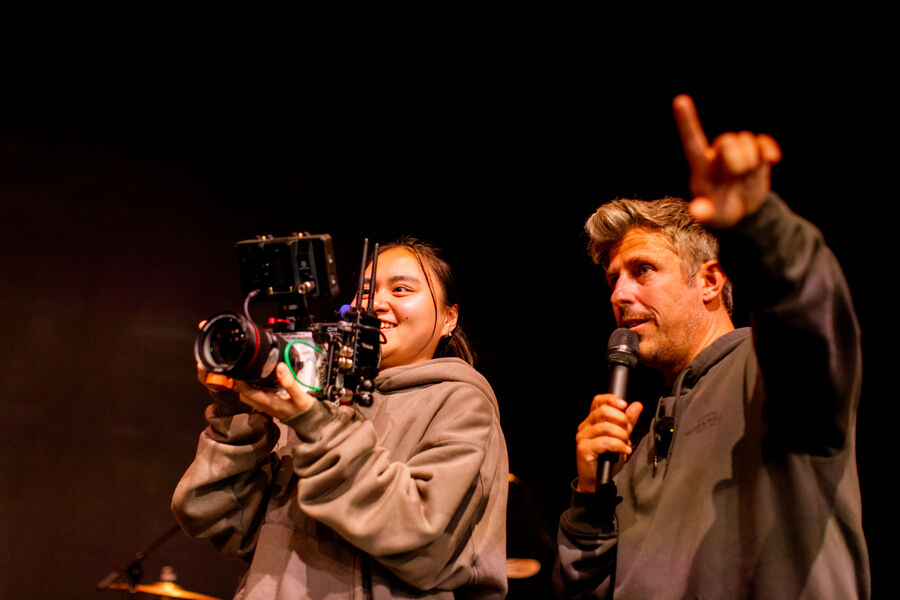
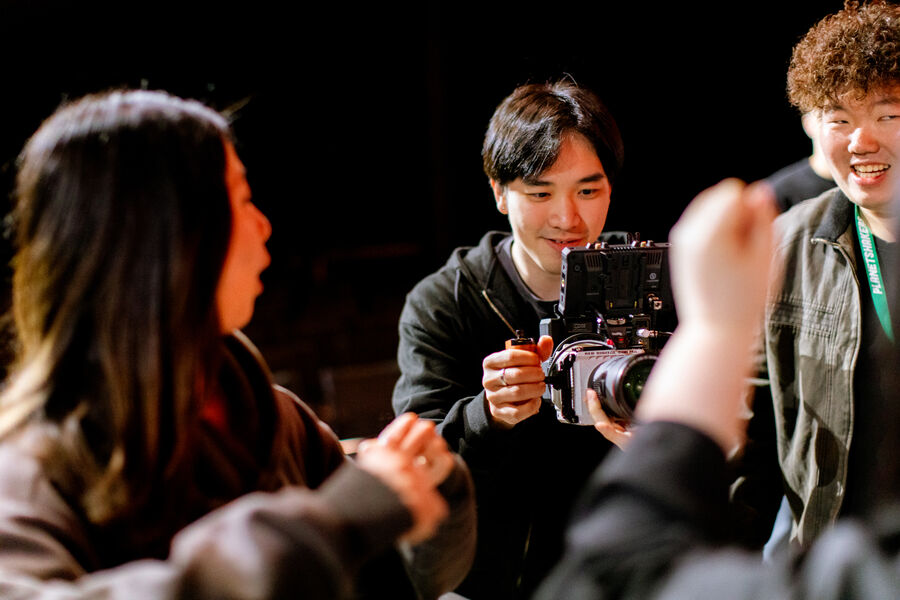
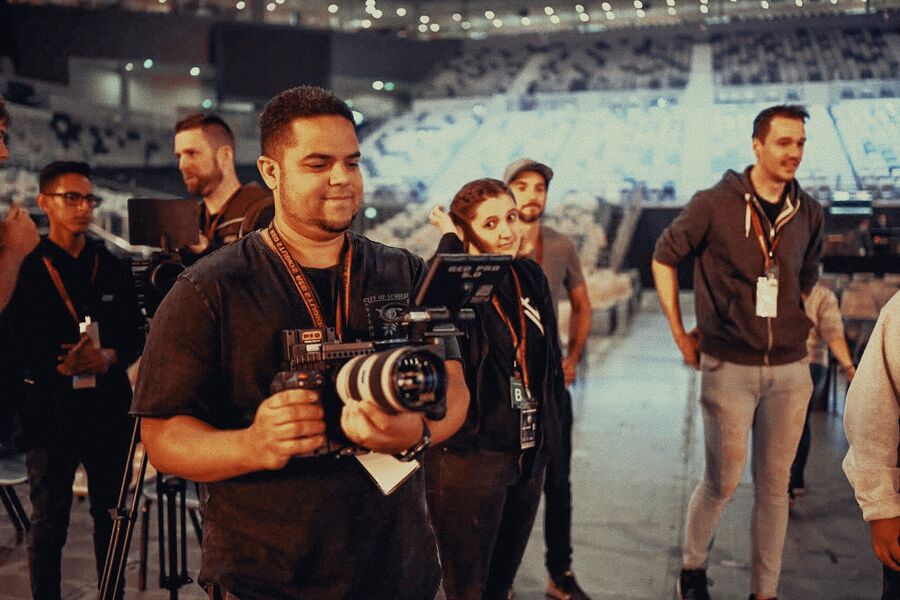
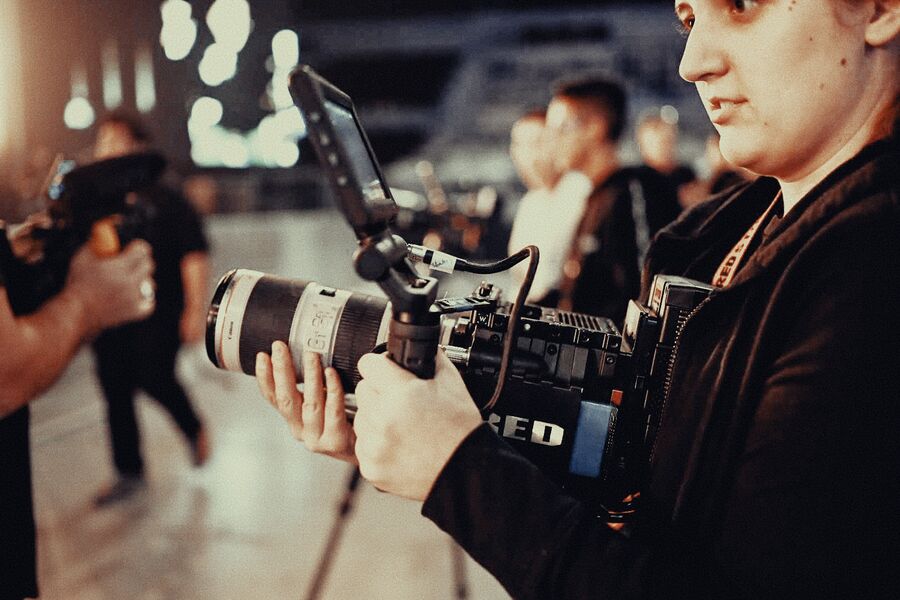
Film school, in your building Upgrade whoever holds the camera — the comms officer, the fundraising lead, the volunteer who's good with a phone — with the most comprehensive professional training in Australia, and anywhere in the world. Film-school depth: story, camera, lighting and edit, taught in your own room, on your own gear.
Run by a team whose work has reached hundreds of millions of people, and who still shoot it for a living.
Six in every ten registered charities in Australia run on under $500,000 a year, and around a third on under $50,000 — most of them entirely volunteer-run. That's who this is built for. You don't need a department, a budget or a background in film — just people willing to learn.


The newsletter, the socials, the acquittal, the annual report, the appeal. Every channel wants feeding, and somewhere in the volume the question quietly changed from what will this do in someone's life? to what are we posting this week? So the impact gets reported instead of told — and reported impact doesn't move anyone.
"Told one child's story, people gave $2.38. Shown the statistics on the same famine, they gave $1.14."
Small, Loewenstein & Slovic · 2007
The volume game — post daily, be everywhere, report everything — feels like the only way to stay visible to a donor base. Nobody chose it. The sector drifted into it, one deadline and one acquittal at a time, until the numbers became the message.
What if the answer wasn't more?
Simplify. Make fewer things, make them properly, and measure them by what they do in a life and in a giving decision — not by how often they ship. Organisations that cut volume and invest in one genuinely excellent piece see attention, trust and giving go up, not down.
Find the story first. The content follows.
When impact is built as a story instead of a summary, the brain does something measurably different with it — it stays, it trusts, and it acts. Here's what that turns into.
Psychologists call it narrative transportation — get someone lost in a story and their own world goes briefly quiet, so attitudes shift more than any argument can move them (Green & Brock). A character in real struggle releases oxytocin — the neurochemical behind empathy and generosity; in Paul Zak's lab, viewers who felt a father's story gave away part of their earnings. And during a well-told story the listener's brain activity synchronises with the teller's (Hasson, Princeton). One person, a real turn and a real after is the exact arc that triggers all three.
There's a sting in the first row worth knowing. In the same experiment, the appeal that ran the child's story and the statistics raised less than the story alone — $1.43 against $2.38. Adding the numbers to a story doesn't strengthen it. It talks the reader out of feeling anything.
Sources: Small, Loewenstein & Slovic 2007, Sympathy and callousness (OBHDP); Classy (campaign funding); Fundraise Up (story-led donor retention); Green & Brock 2000 (narrative transportation); Zak, Claremont (oxytocin); Hasson, Princeton (neural coupling). The mechanism is real — Storylab is built to trigger it on purpose.
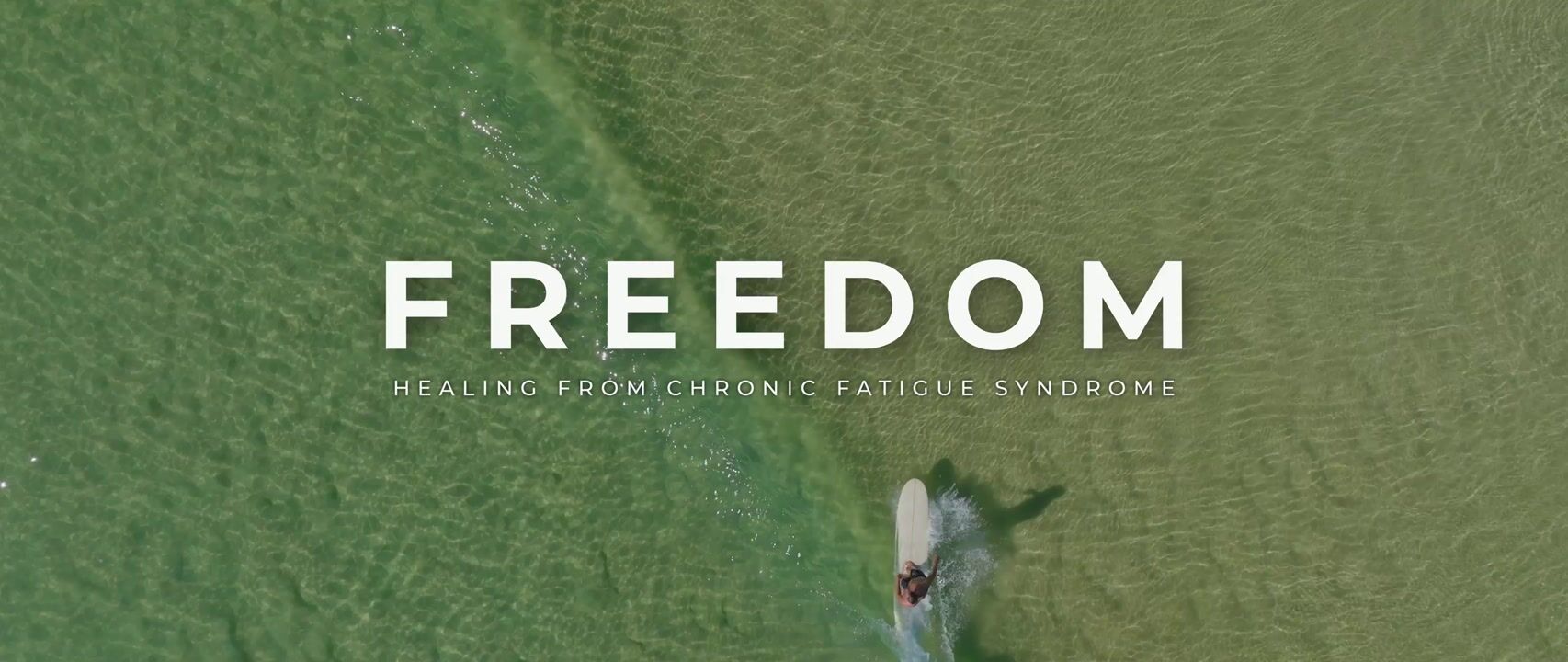
An exact sample of what the Storylab process produces. A cause almost nobody understood, built as one person's story instead of a case for support — and what came back.
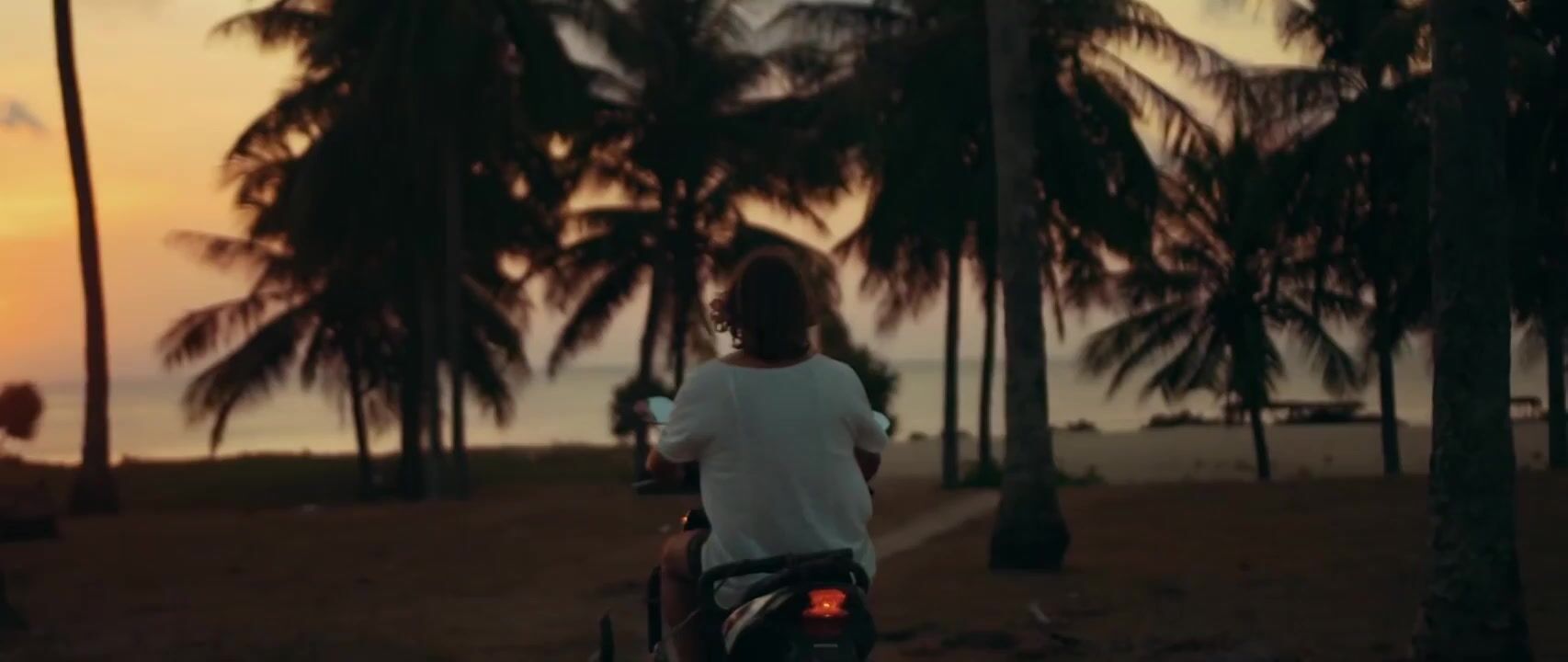
The brief: An audience who had spent years being told there was nothing wrong with them. The film opens on the scale of the problem, then hands the rest of it to someone who came out the other side. Directed, filmed and edited by Peter John.
301,919 views and 235 comments · viewers replied not with likes, but with their own story of the same condition · the film still does the explaining the organisation used to have to do one conversation at a time.
This documentary explains so well what it is like to have Cfs, the isolation the anxiety, not knowing if you're ever going to survive it. Thank you for making this film and letting the world know you can recover from chronic fatigue
Thank you for helping myself and others with this condition be better seen and understood, while also providing hope. I hope this reaches everyone that needs it
So much hope and so much inspiration. I watched this and cried.
Really inspiring stuff. We need more awareness of ME/CFS and this will definitely help with this. It is such a difficult thing to go through but seeing this proves there is hope and you are not alone. Superb
Brilliant documentary Toby that shows people that there is a programme out there that works with all the knowledge and support that you need. Much love & praise to you Toby for helping so many others including myself
Thank you for this. It brought me to tears... to hear my thoughts being spoken by these individuals, I'm speechless.
This documentary explains so well what it is like to have Cfs, the isolation the anxiety, not knowing if you're ever going to survive it. Thank you for making this film and letting the world know you can recover from chronic fatigue
Thank you for helping myself and others with this condition be better seen and understood, while also providing hope. I hope this reaches everyone that needs it
So much hope and so much inspiration. I watched this and cried.
Really inspiring stuff. We need more awareness of ME/CFS and this will definitely help with this. It is such a difficult thing to go through but seeing this proves there is hope and you are not alone. Superb
Brilliant documentary Toby that shows people that there is a programme out there that works with all the knowledge and support that you need. Much love & praise to you Toby for helping so many others including myself
Thank you for this. It brought me to tears... to hear my thoughts being spoken by these individuals, I'm speechless.




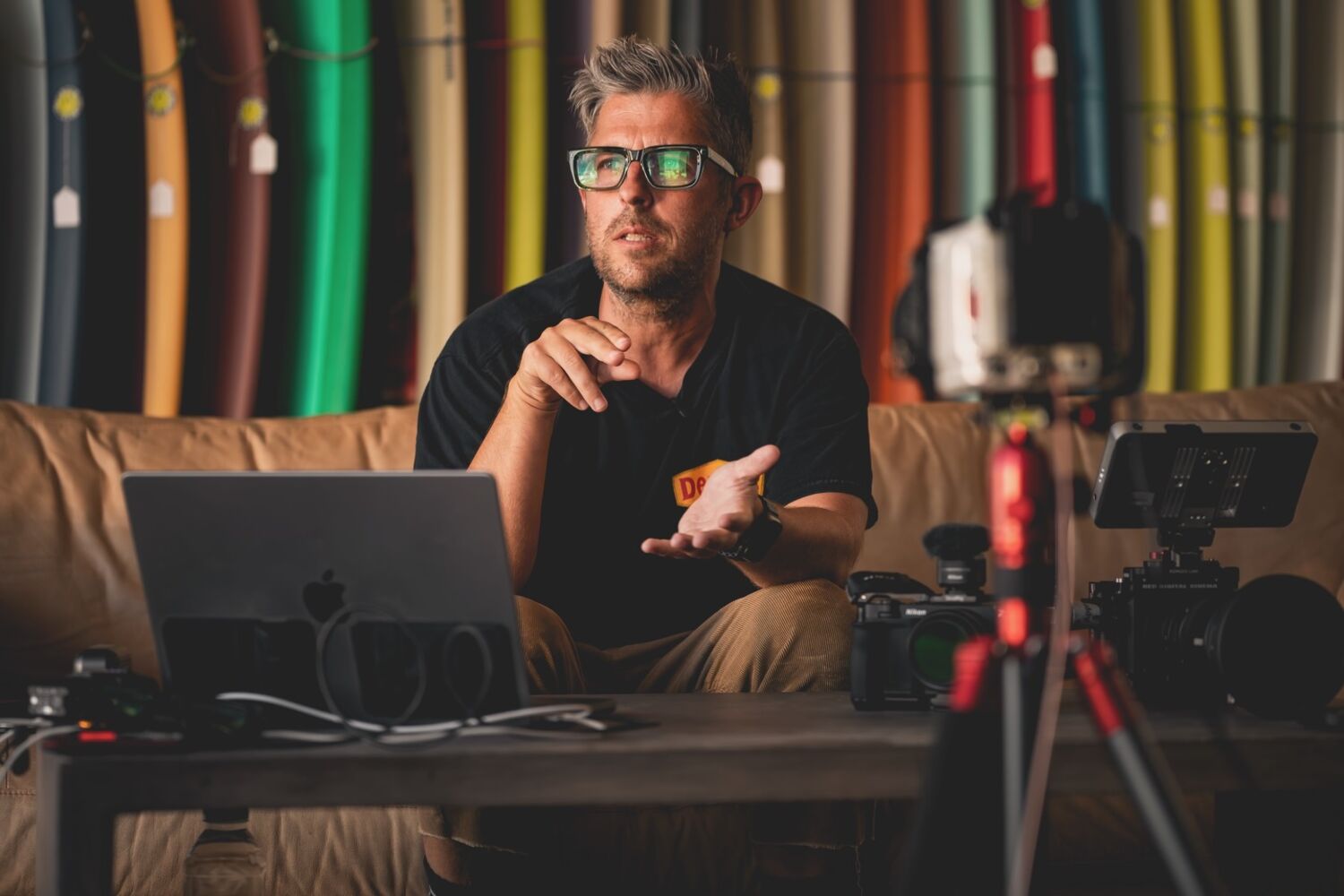
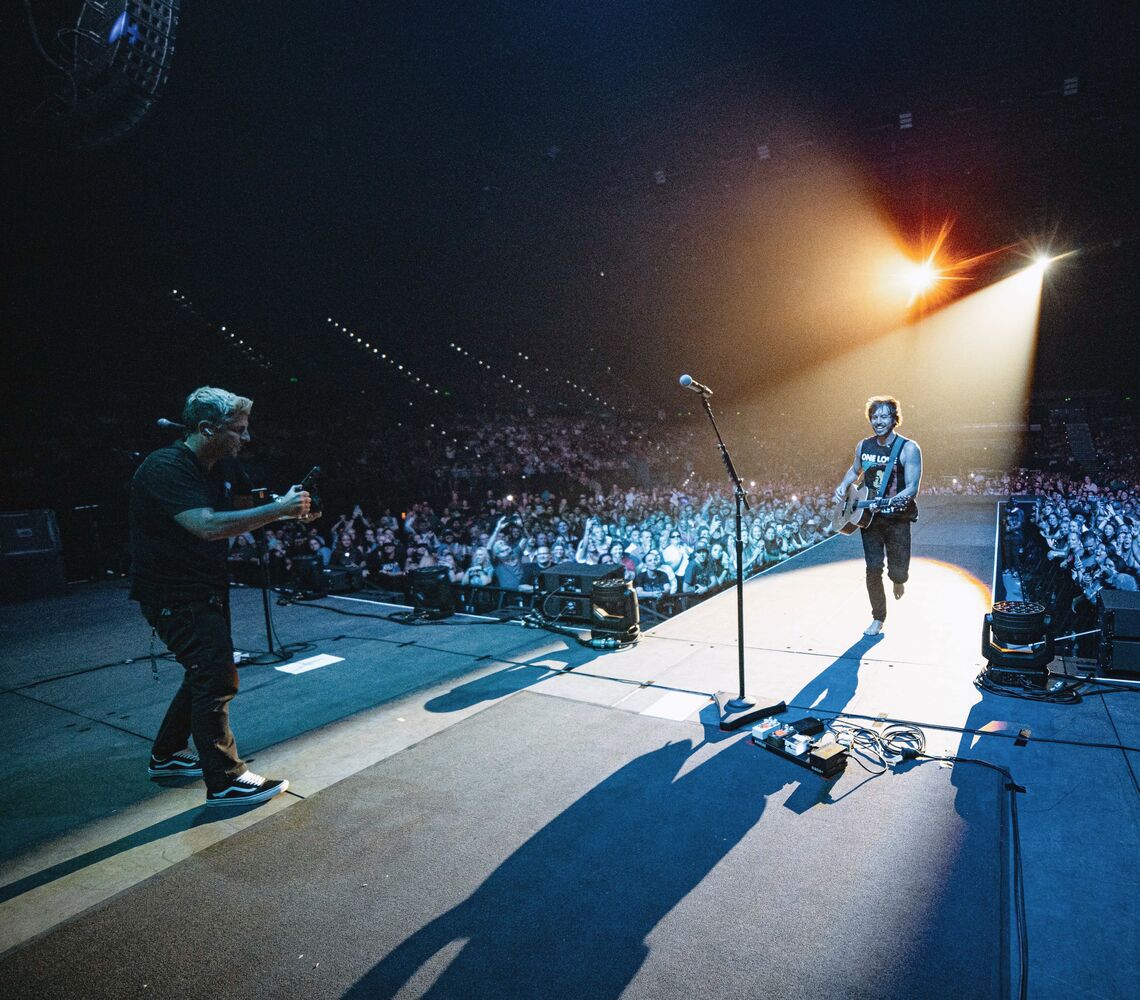
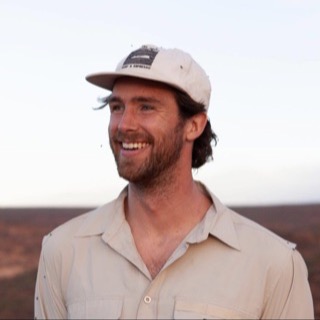
Producer, director, filmer, and editor. 25 years refining the craft of story. A billion views and millions of comments — a bucket load of data on what works and what doesn't when it comes to creating stories that reach and transform.
Storylab is the process behind that work, taught to those who want to reach and transform the world and make it a better place.
Whoever makes the videos at your organisation is usually carrying the newsletter, the socials, the grant acquittal and the appeal at once — often one person, with nobody above them to learn from. The result is gifted people quietly running on empty, convinced the problem is that they aren't working hard enough.
Peter has spent years in those rooms. The work he cares most about now isn't another film — it's mentoring and coaching the people behind the camera: helping them find a simpler way to work, get the craft properly under their hands, and remember why they picked it up in the first place.
Fewer things, made well, by people who aren't running on empty.
04 — Where this goes next You've seen the story shape. The Storylab Workshop is where your team learns to build it on demand — a repeatable process that produces the same result, appeal after appeal, whoever's holding the camera.
Before a camera comes out. Who to film, the questions that get past the media-trained answer, and the story shape behind every film that has moved a donor — as something your team can plan before each shoot.
The part nobody teaches. How to ask, what you're actually asking for, how to frame someone in hardship without reducing them to it, and how to hand a subject the right to change their mind afterwards.
The full sit-down setup, hands-on. Lighting a face so it feels like film, framing, sound, and the technique that draws out the real moment instead of a prepared one.
Editing for the hook. The first seconds that decide whether anyone keeps watching, how the story gets assembled, and the finish that carries it all the way to the ask.
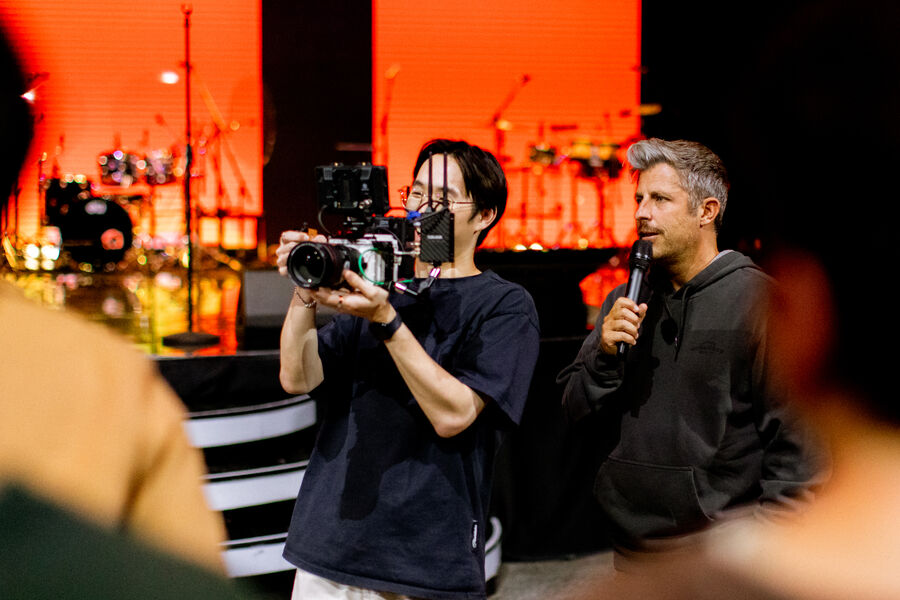
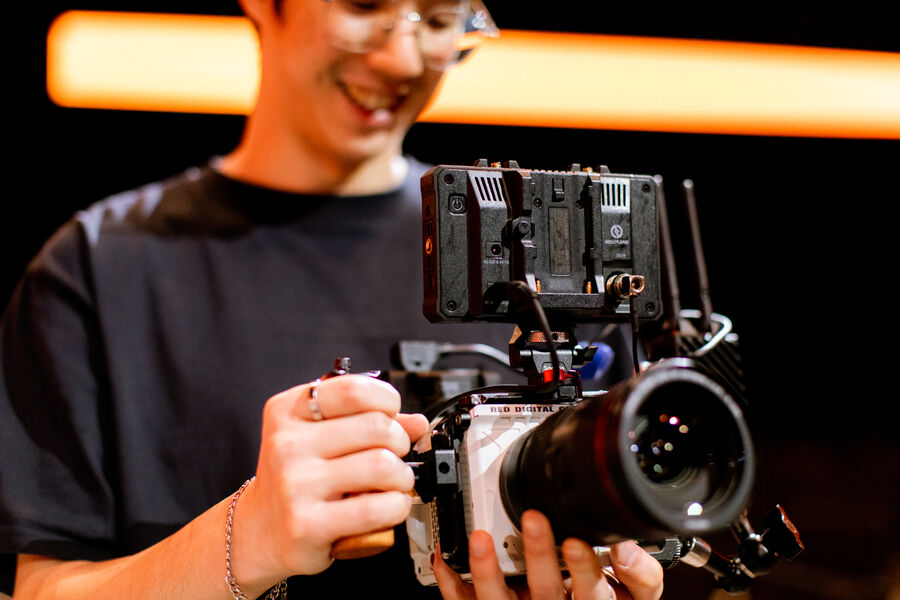
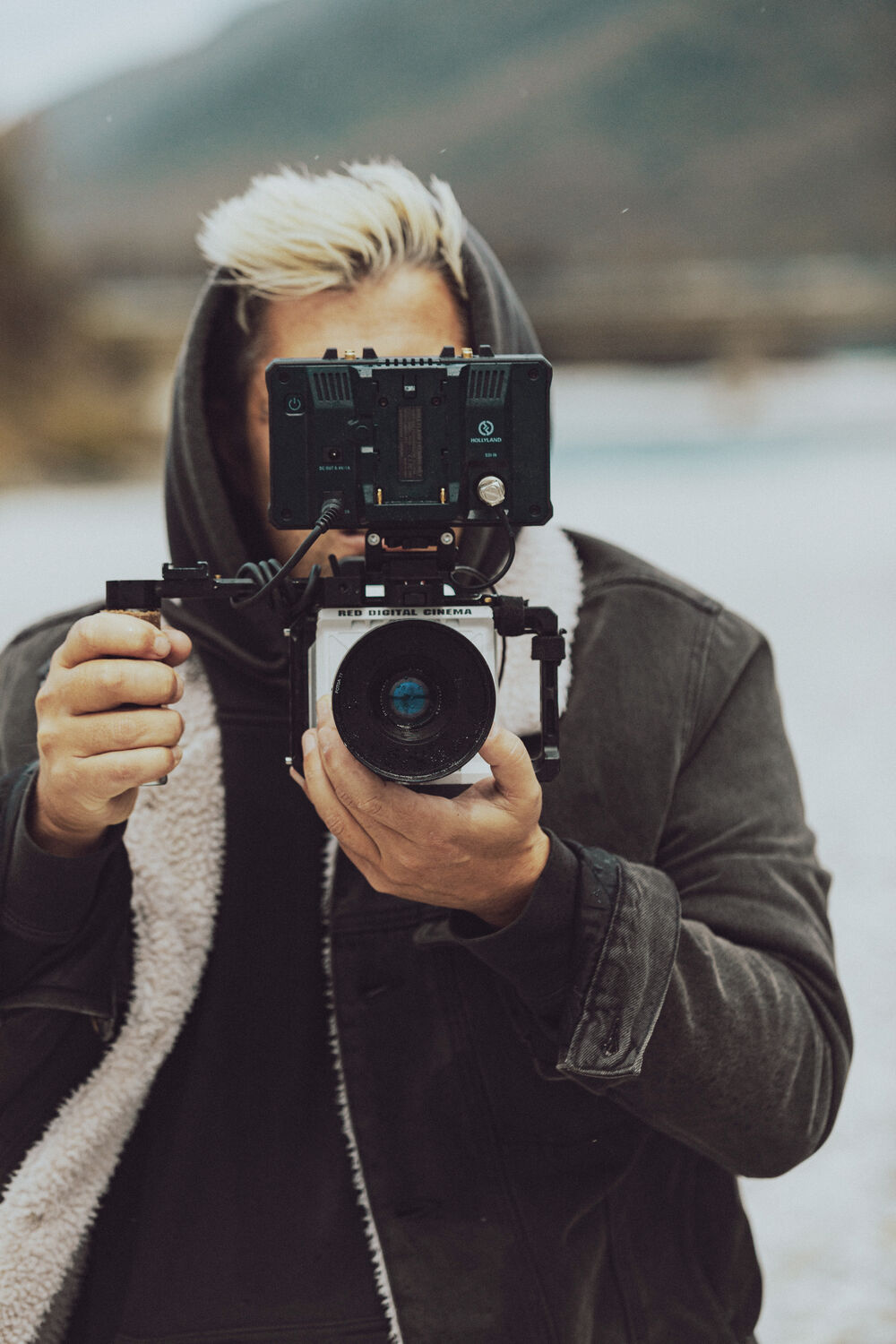
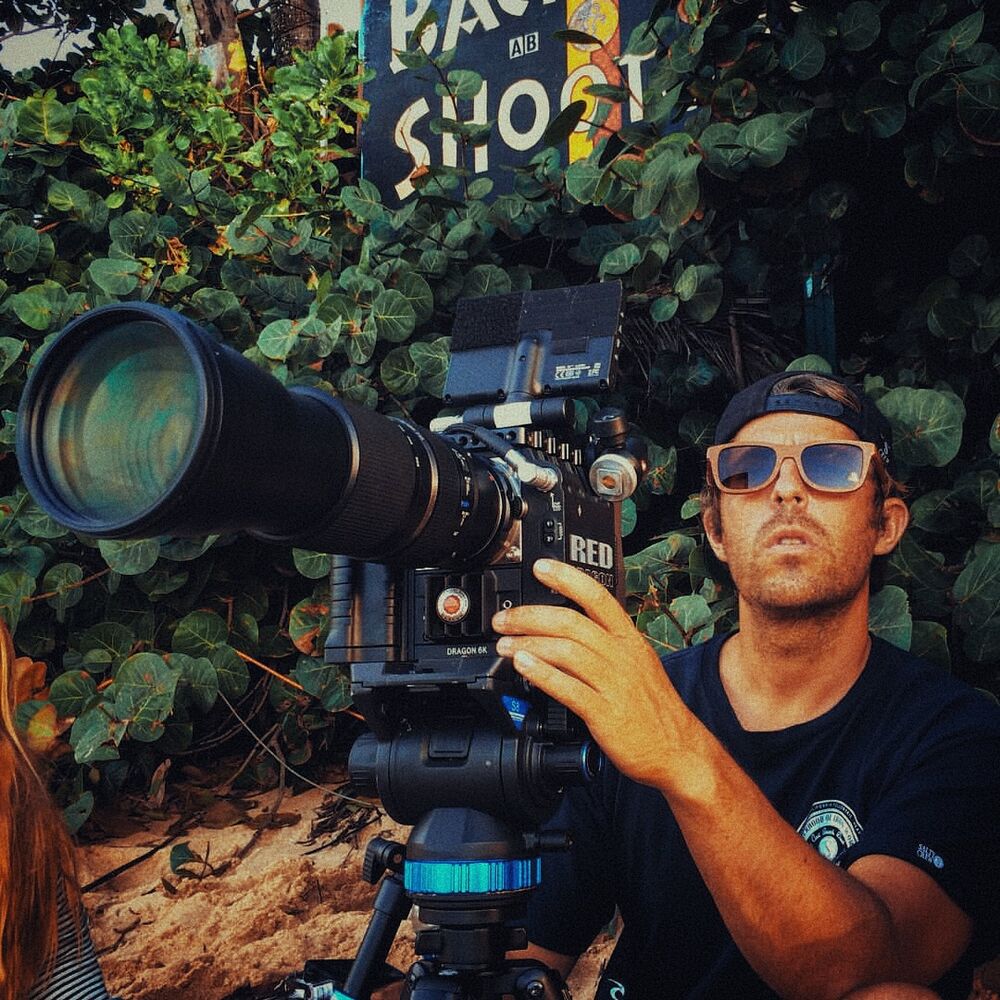
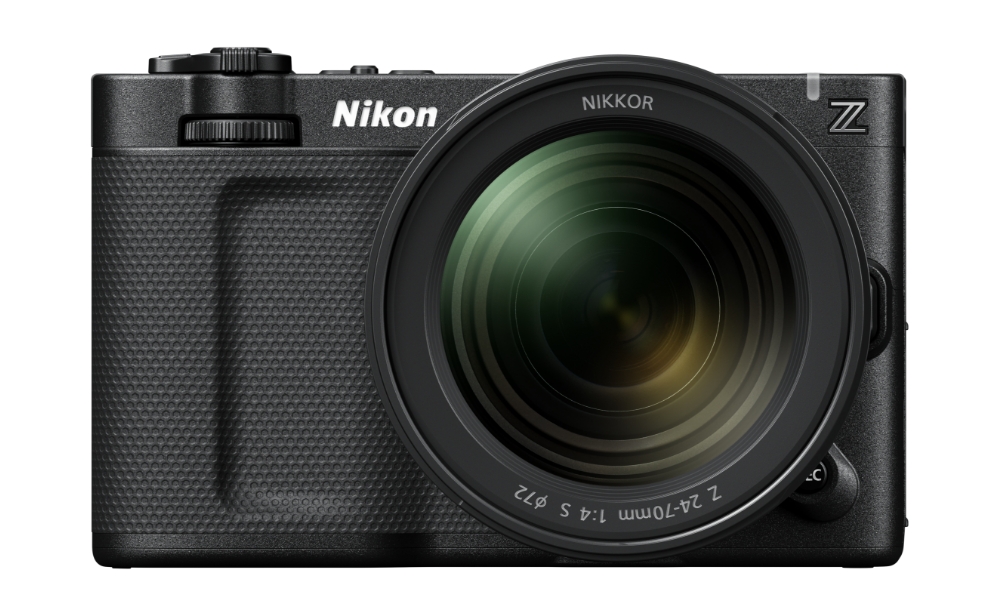
The interview setup we build in the workshop is taught on Nikon Z Cinema bodies — compact cinema cameras carrying RED's colour science. Peter is a RED Digital Cinema trainer and ambassador. But nothing we teach depends on owning one: the point of seeing it done at the top end is knowing exactly what to keep when all you've got is a phone and a window.

The same shape, run the same way every time — so quality stops depending on which volunteer was free that week.
Films built to move the person watching to act, not just to document the person speaking.
Simpler is faster. The update treadmill stops eating time your team doesn't have.
The interview setup, lighting and framing under their hands — on a phone if that's what you've got.
A consent and dignity process your board, your funder and your participants can all see.
One shoot that feeds the appeal, the acquittal, the grant application and the AGM.
The ACNC already publishes every registered charity's revenue band, so there's nothing to argue about and nothing to declare. One price per organisation — bring as many of your people as the band allows, not one seat at a time.
Skills and capability grants commonly run $10,000–30,000, and this sits squarely inside what they fund. Ask us for the grant-ready one-pager and attach it to the application.
One buyer, one invoice, a room full of member organisations. If you sit inside a COSS body, a state peak or a service network, put us in front of them.
A philanthropic or government funder buys a closed room for its grantees. Nobody in the room pays anything, and the funder gets a capability uplift it can report on.
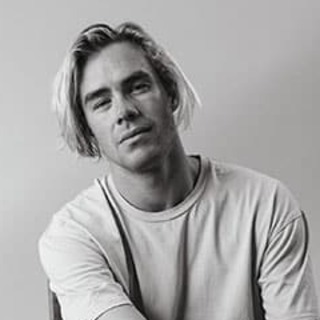
I came from a DSLR thinking I was killing it. Pete put a RED in my hands, walked me through all of it — then taught me the real lesson: it's not what or how, it's the why.
Mitch LovedayMakker Studios · Sunshine Coast, Australia I quit film school after two weeks. On location with Pete — a RED in my hands, real shows, real access — I learned more than I ever would have in years of classes.
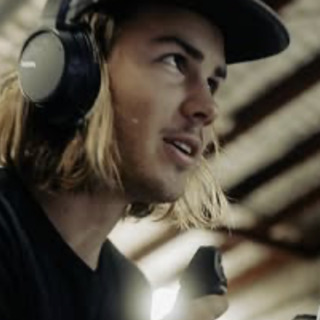
Sam HarveyHarvey Creative · New South Wales, Australia I came in as a musician — media was just a side hobby. I walked out with skills that crossfade straight into my music, and connections you can't get anywhere else.
Isaac AyresDJ · Ocean Grove, Australia Before the workshop our church media was fumbling for direction. Pete answered the questions that were holding us back — and pitched it so the whole team could move forward together.
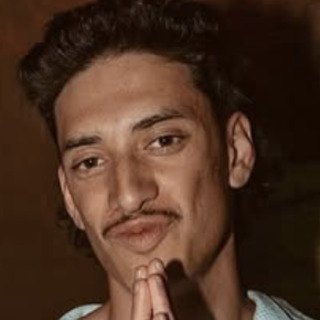
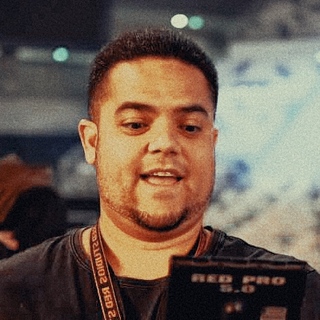
LaurentCasey City Church · Melbourne, Australia I quit my job as a primary teacher to pursue filming and needed guidance. Pete's consulting at Cine Artistlabs was exactly what I needed. He stripped away the noise and helped me finally own my worth, packaging my unique style into something the world actually wants to buy. 10/10 would take the leap again.
Pete DavisPete Studios · Ocean Grove, Australia
Book it Tell us about your team and where you're at. We'll come back with dates, what the workshop looks like in your room, your number — and, if you want it, a grant-ready one-pager you can attach to an application. No obligation.
A hands-on intensive where your team learns the full repeatable process — finding the story, consent and dignity, the sit-down interview setup and technique, and editing for the hook — so every film works, whoever is behind the camera.
Yes, and the rate is built around it. Six in every ten registered charities in Australia run on under $500,000 a year, and roughly a third on under $50,000 — that's the sector, not the exception. No organisation is turned away for money. Talk to us.
Then that's what we teach on. The principles work on any kit and we tune the sessions to what your team actually carries. We teach on Nikon Z Cinema so you see the ceiling, but nothing we cover depends on you owning one — you'll leave able to shoot and cut something usable on the phone in your pocket.
It's a module of its own, not a footnote. Consent, framing and dignity — how to ask, what you're actually asking for, how to film someone in hardship without reducing them to it, and how to give a participant the right to withdraw afterwards. Your board and your funder can see the process.
Often, yes. Capacity-building and skills grants commonly run $10,000–30,000 and this sits inside what they fund. Ask us for the grant-ready one-pager and attach it to your application — plenty of organisations get the workshop paid for that way.
Yes. A closed cohort for your members, or a funder-underwritten room where nobody attending pays anything, is one invoice instead of thirty conversations. We also run train-the-trainer so the capability stays inside your network.
It's banded to your ACNC revenue size, so a two-person organisation is not priced like a national service. Tell us about your team below and we'll come back with a straight number and some dates.