Storylab Storylab Production · Business, brands & not-for-profit

Your buyers are drowning in content and starved of meaning.

Story is the only thing left that survives the scroll.

We create your films so they get remembered — brand, founder and customer stories, twenty-five years creating and reaching hundreds of millions.

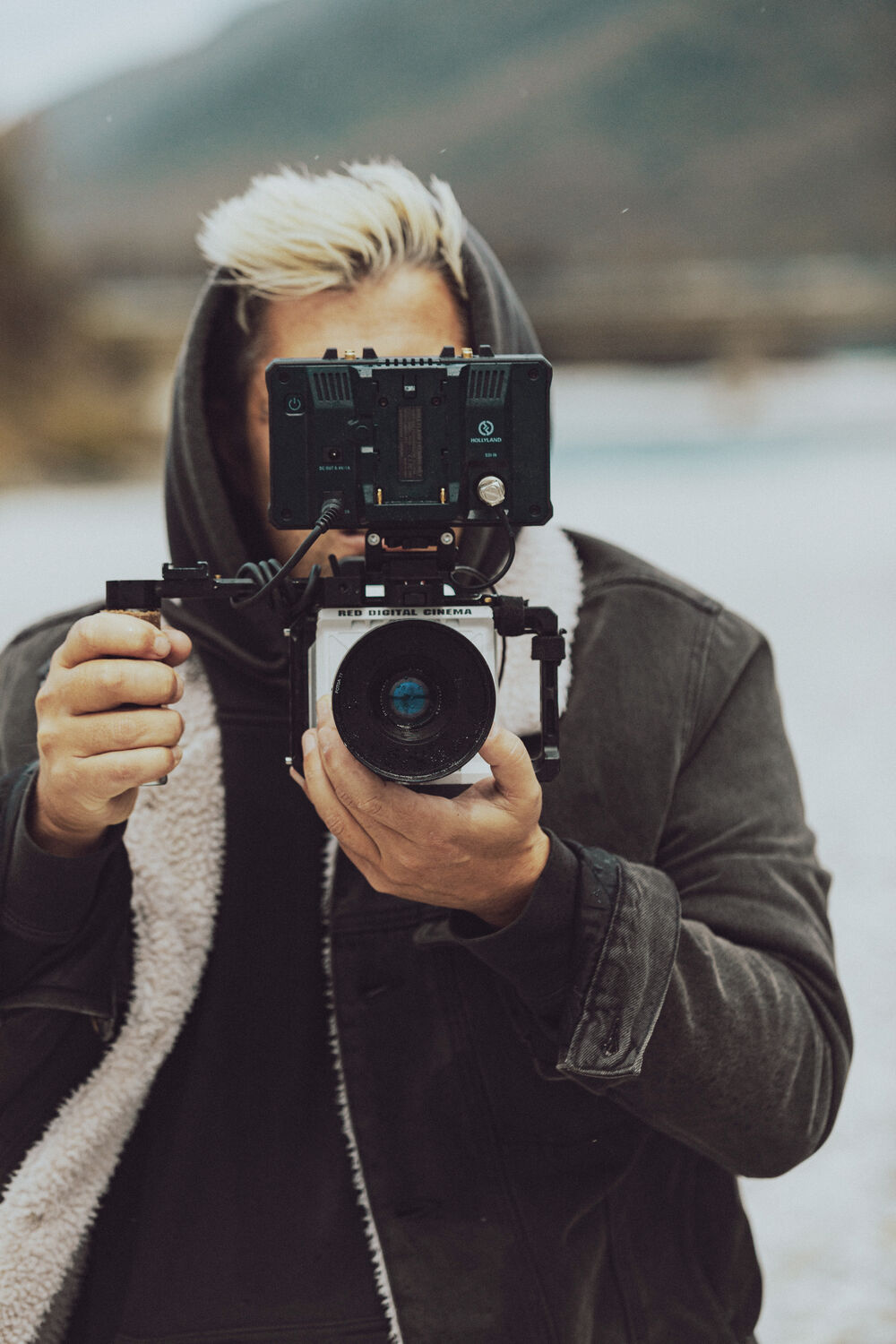
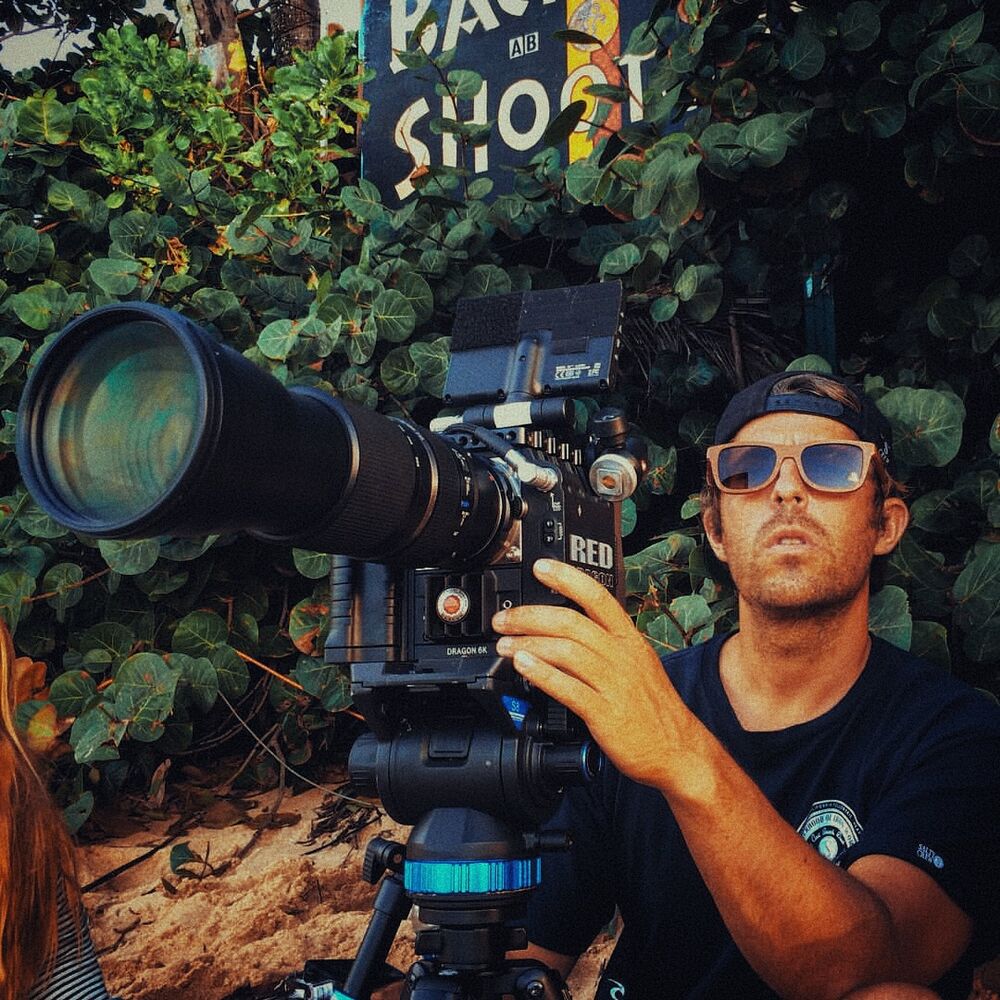
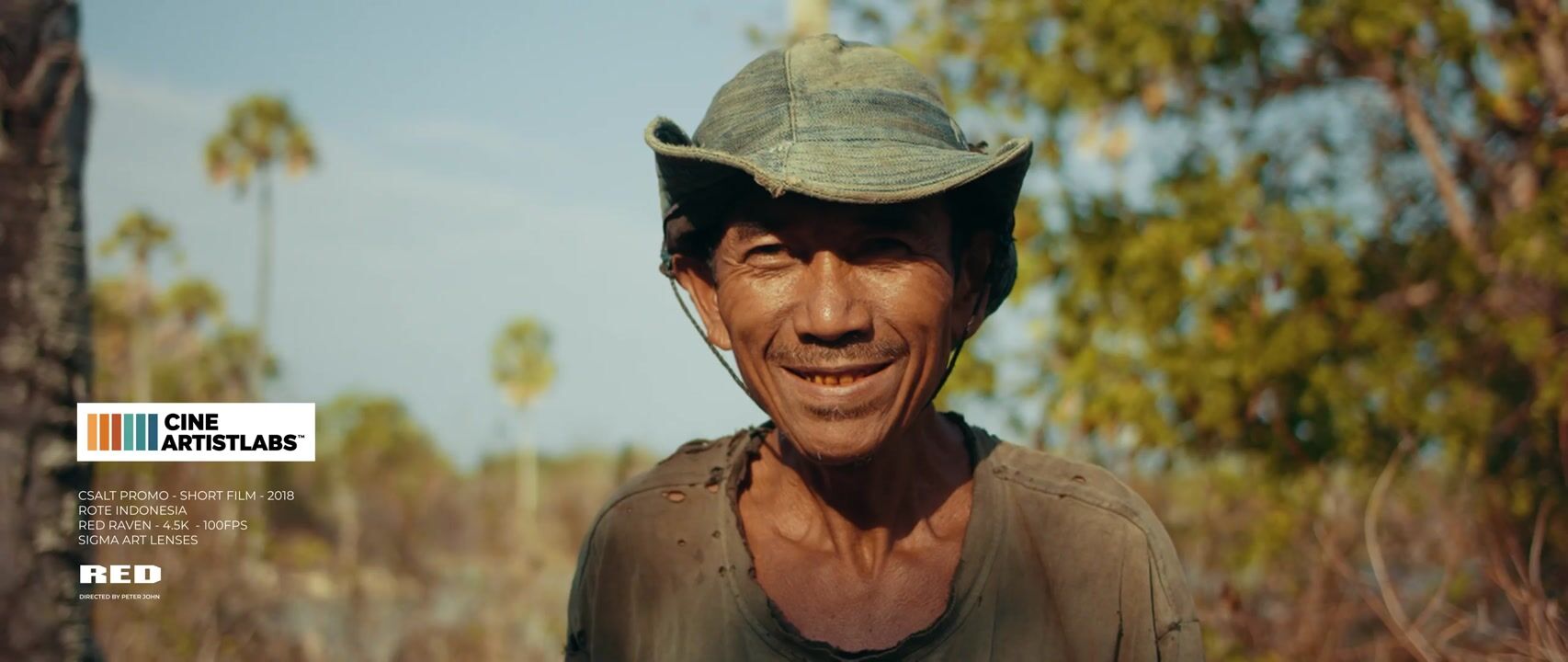
We shoot on Nikon RED Digital Cinema Nikon Z Cinema with RED
PlanetshakersCentral ChurchChristian Surfers AustraliaThe Transformation NetworkCFS HealthThe Paper KitesMorgan EvansSimple PlanNew EmpireRach Lynch (Hockey Gold Medallist)Compound Surf & Drink CoffeeRandy HouserPlanetshakersCentral ChurchChristian Surfers AustraliaThe Transformation NetworkCFS HealthThe Paper KitesMorgan EvansSimple PlanNew EmpireRach Lynch (Hockey Gold Medallist)Compound Surf & Drink CoffeeRandy Houser
Any length

Sixty seconds or ninety minutes — the shape doesn't change.

What changes is how much room your story gets, not whether it needs one. We make all three, built on the same structure, so the thing that makes people watch is the same whichever one you're paying for.

60 seconds

Stops the scroll

The one that has to earn attention cold — paid, social, the top of your site. One turn, one reason to care, and your name still attached once they've moved on.

3–5 minutes

Closes the room

The one sales sends ahead of a meeting and the board asks about afterwards. Long enough for a real before and after, short enough that nobody stops watching.

Feature length

Outlives the campaign

Premiere, festival, broadcast. Where it stops being marketing and becomes something people choose to watch — still working years after the campaign budget is spent.

Length is a decision about how much room your story needs. It's never a decision about whether it needs one.

The work

Four films, four different effective stories.

A health business, an artist in the middle of a very public split, an Olympian, and a student crew with no budget at all. The same structure underneath every one of them — a real before, a real turn, a real after.

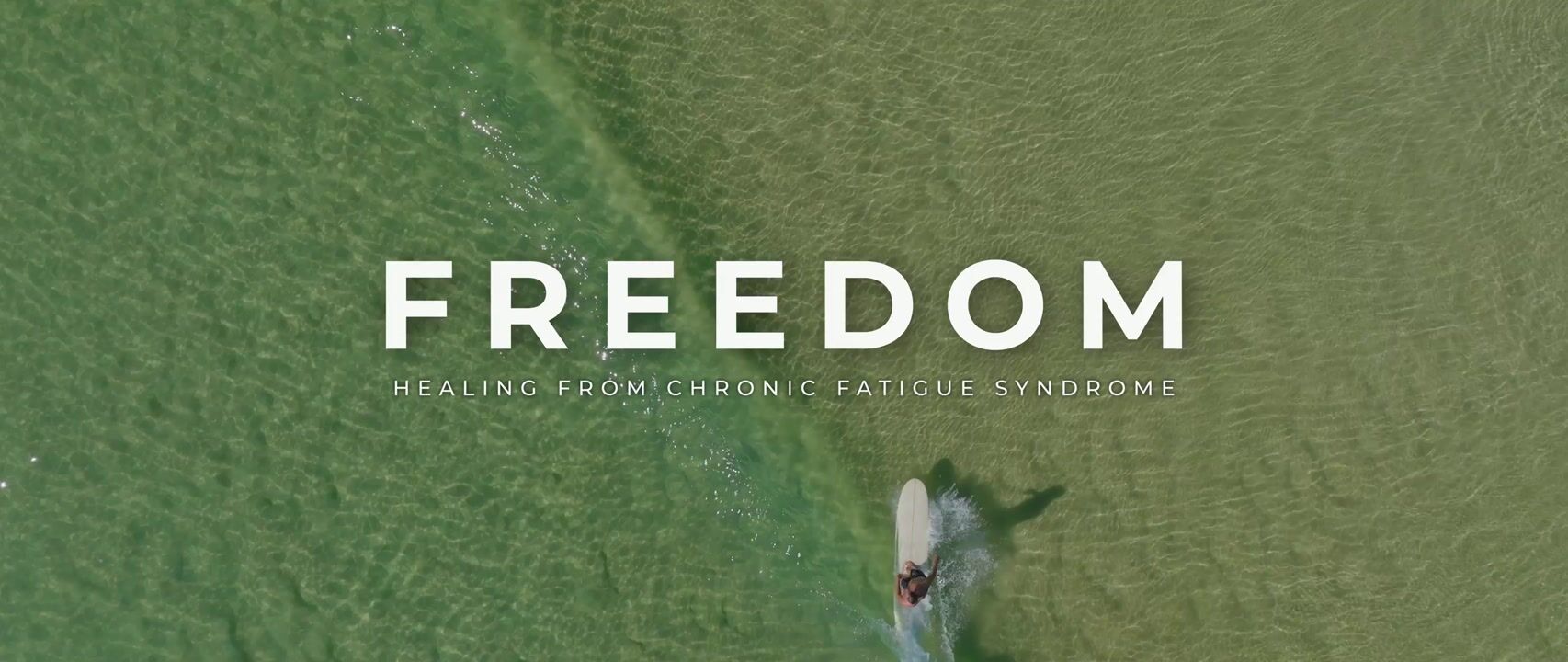
Freedom — still frame
CFS Health · Health & wellness

Freedom

A health business whose audience had spent years being told there was nothing wrong with them. The film opens on the scale of the problem, then hands the rest of it to someone who came out the other side.

Brand film · Documentary
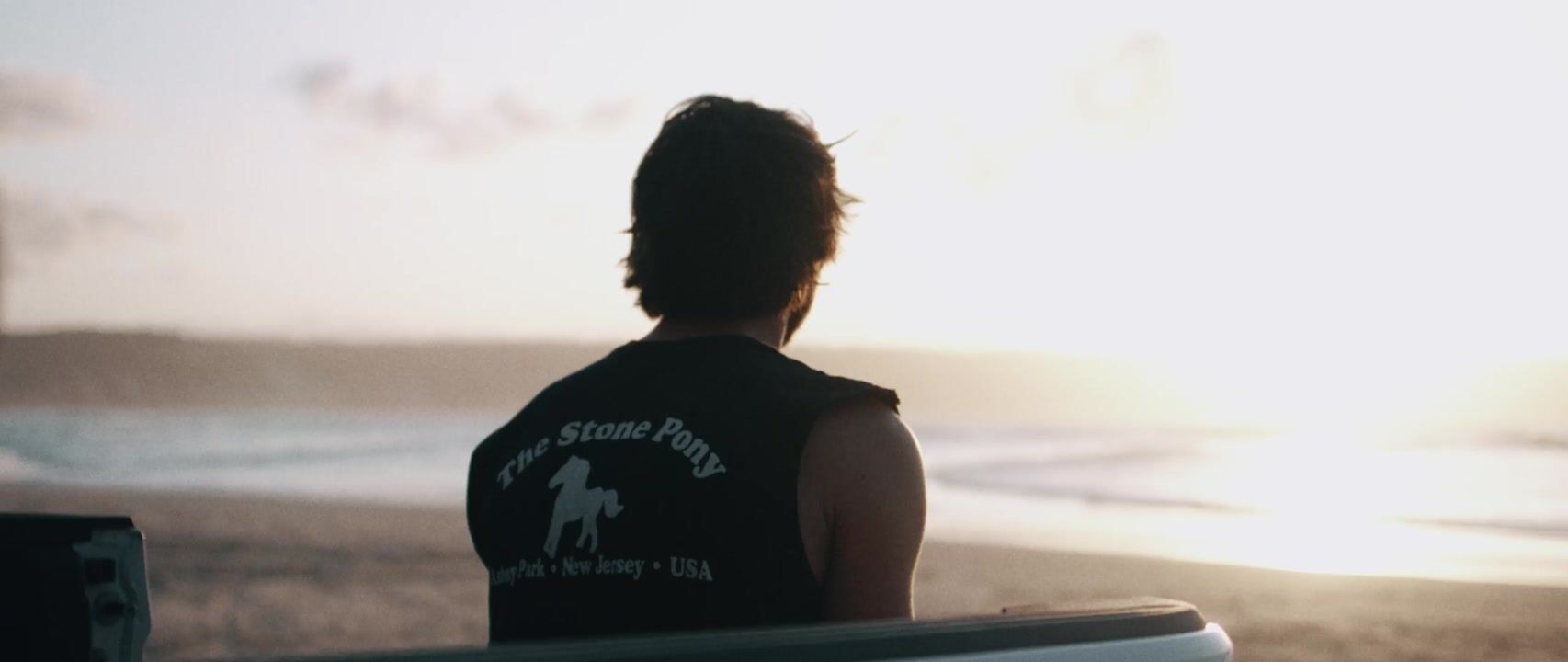
The Return — still frame
Morgan Evans · Over For You

The Return

Filmed two weeks before the divorce went public, with the story already being fought out in the press. We made the call to keep the other side of it off camera entirely and stay with Morgan — how he was actually carrying it, away from the stage. What came back wasn't gossip. It was people meeting him properly, plenty of them for the first time.

Documentary series · Episode 1
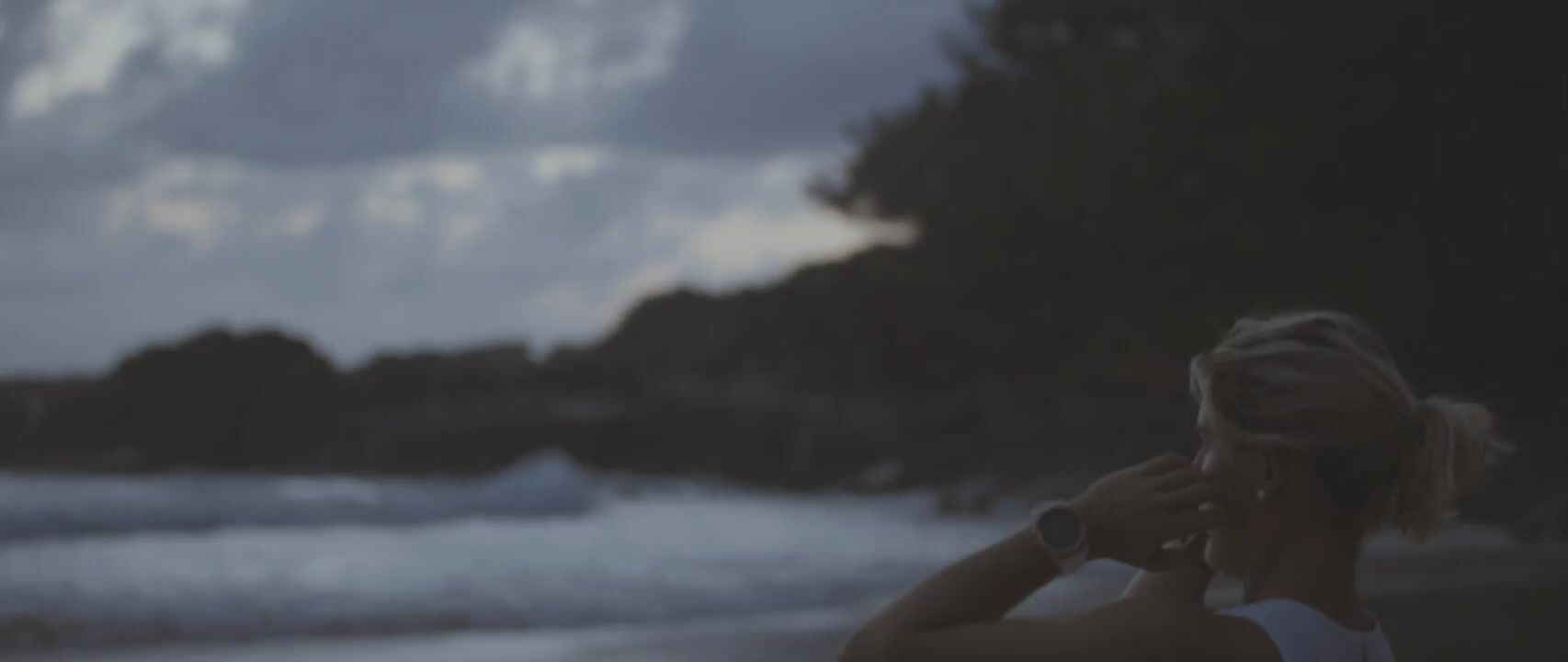
The keeper — still frame
Rach Lynch · Hockeyroos

The keeper

Made to open her online goalkeeping course — filmed as documentary rather than highlight reel. It introduces her so well that she now runs it before she speaks, in rooms around the world. One shoot, still working in places it was never made for.

Course opener · Now her keynote intro
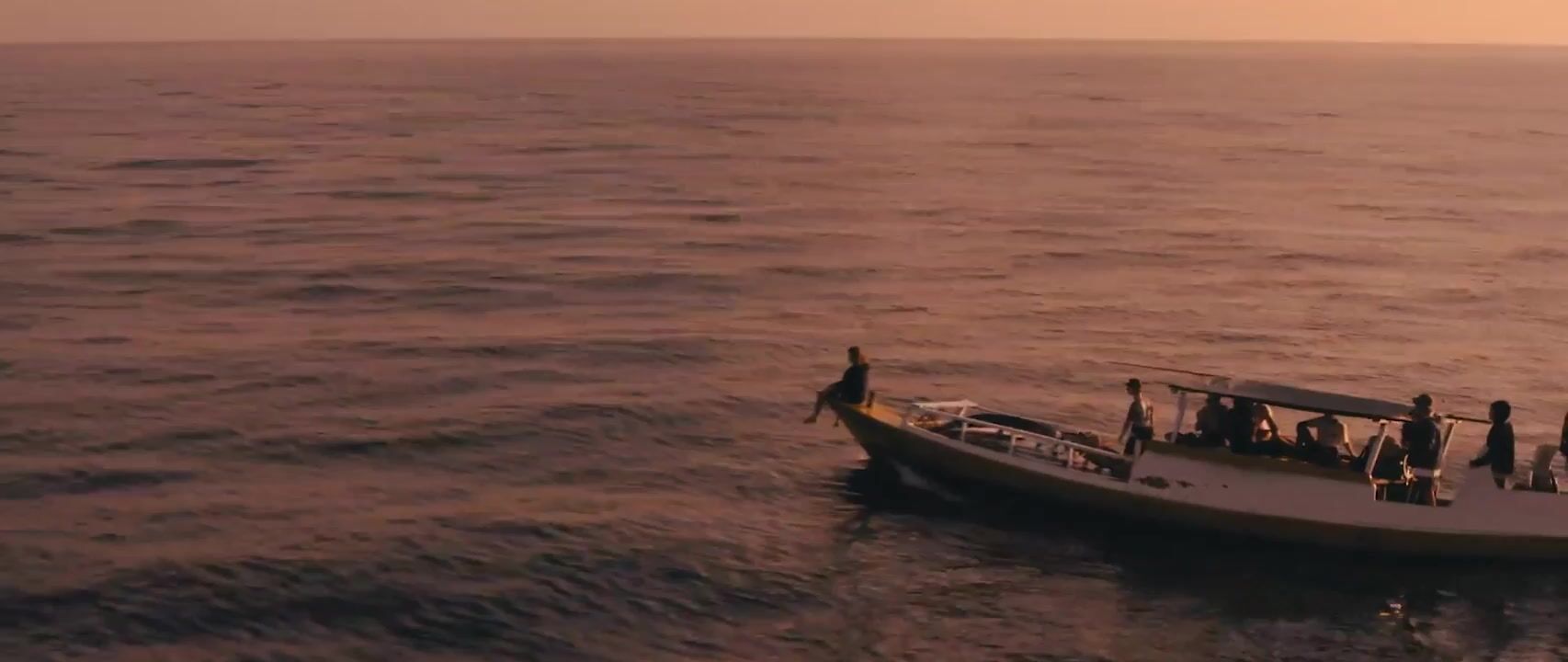
Run for Manhattan — still frame
Student film · Built on the Storylab structure

Run for Manhattan

Made by students who'd been taught the shape. Same structure, none of the budget — which is the whole argument: it's the story doing the work, not the size of the production.

Short film
What comes back

The part you can't buy.

Reach is easy to quote. What matters is whether anyone writes anything underneath — and what they write. Every line here is real, from under two of the films above.

301,919
Views · Freedom
235
Comments · Freedom
Freedom

This documentary explains so well what it is like to have Cfs, the isolation the anxiety, not knowing if you're ever going to survive it. Thank you for making this film and letting the world know you can recover from chronic fatigue

@SUSANSHERWOOD-gs8yq24 likes · YouTube
Freedom

Thank you for helping myself and others with this condition be better seen and understood, while also providing hope. I hope this reaches everyone that needs it

@samaradujardin505719 likes · YouTube
Freedom

So much hope and so much inspiration. I watched this and cried.

@Sunshines-1815 likes · YouTube
Freedom

Really inspiring stuff. We need more awareness of ME/CFS and this will definitely help with this. It is such a difficult thing to go through but seeing this proves there is hope and you are not alone. Superb

@Stephen02087 likes · YouTube
Freedom

Brilliant documentary Toby that shows people that there is a programme out there that works with all the knowledge and support that you need. Much love & praise to you Toby for helping so many others including myself

@timfitzgerald1098 likes · YouTube
Freedom

Thank you for this. It brought me to tears... to hear my thoughts being spoken by these individuals, I'm speechless.

@srprather5 likes · YouTube
Over For You

As brilliant & meaningful as this is it's actually no surprise to those who've been on this journey over the years — all the accolades are truly deserved — thanks for the music & the human face you put to it time & time again

@peterbeckerleg73153 likes · YouTube
Over For You

Loved this docuseries Morgan! Respect for the mature way in which you are dealing with your heartbreak. You have a special spirit and heart.

@MaureenBuckingham3 likes · YouTube
Over For You

Thank you for sharing so much of your pain and feeling with people who love you. You did the right thing!

@kathleencannon95711 likes · YouTube
Over For You

New to your music... Truly amazing! So relatable.

@sandyr46563 likes · YouTube
01 — The problem nobody names

Everyone in your category sounds the same.

Same promises, same words, same stock footage of a team laughing at a laptop. Your buyer can't tell the difference between you and the next three options — so they do the only thing left available to them and compare on price.

Meanwhile the output goes up. More posts, more ads, more channels to feed, and nobody watches past nine seconds. The reach is real and the recall is nothing. You are not short of content. You are short of a reason for anyone to care.

You're not competing for attention any more. You're competing for memory.

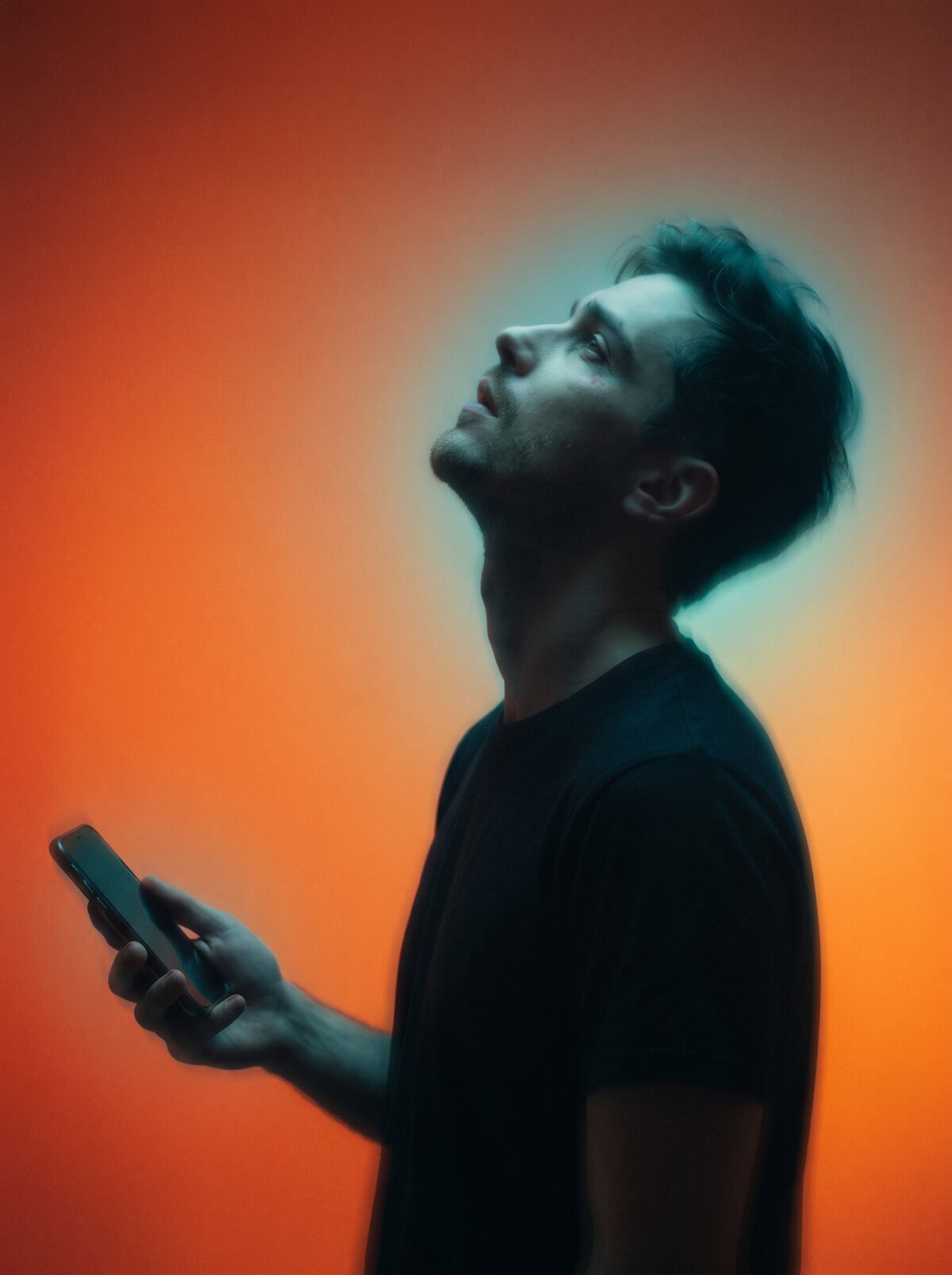
Someone looking up from their phone
02 — Why it doesn't happen

Every business knows this. Almost none of them do it.

Not because the people are lazy or the budget isn't there. Because of six things nobody puts on a slide — and every one of them is upstream of the camera.

01
Nobody in the building owns it.

Marketing owns campaigns. Sales owns the pipeline. Ops owns the product. Story belongs to nobody — so what goes out defaults to features, dates and a logo at the end.

02
You've been trained to brief a list.

Every brief is a list of things to include. The thing you're actually paying for is the one that never makes the list: a reason for someone to care before they're told what you sell.

03
Everyone assumes they're not interesting.

"We just make components." Every business has a real before and after inside it — a customer whose problem went away, a founder who risked something. The people inside are always the last to see it.

04
The last film you commissioned was a brochure with music.

It looked expensive and said nothing. Polish is what most production companies sell, because polish is what fits neatly on a quote. Nobody quoted you the story, because finding it is the hard part.

05
You measure reach, not memory.

Dashboards reward what's countable. Impressions climb, the spend gets signed off again, and nobody in the market can name a single thing you said last quarter.

06
Story got scheduled instead of directed.

Volume won. The calendar had to be filled, so everything became something to publish — and nothing was built to be remembered. More output, less signal, every quarter.

None of that is a budget problem. It's a story problem — and the story is the part we do first.

03 — Why story works

This isn't taste. It's neuroscience.

Each of these measured the same message told two ways — once as a story, once as information. Different fields, different decades, same result.

Brands
Campaigns reporting very large profit gains — emotional, story-led work against rational, features-led work
Binet & Field · IPA Databank, 996 campaigns ↗
Story-led
Features-led
0%
vs 16% features-led
Business
What an audience could still recall ten minutes after a pitch — the story, or the number
Heath, Stanford · Made to Stick ↗
Recalled a story
Recalled a stat
0%
vs 5% for a statistic
Not-for-profit
Average donation when the appeal was one person's story, against the same appeal told in statistics
Small, Loewenstein & Slovic, 2007 ↗
One story
The statistics
+0%
more given per person
Attention
Narrative transportation

Get someone lost in a story and their own world goes briefly quiet — and attitudes shift further than any argument can move them. Green & Brock, 2000.

Trust
The oxytocin response

A character in real struggle releases oxytocin, the neurochemical behind empathy and generosity. In Paul Zak's lab, viewers who felt a father's story gave away part of their own earnings.

Memory
Neural coupling

During a well-told story, the listener's brain activity synchronises with the teller's. Hasson, Princeton. Nothing about a well-lit product shot does that.

Why one story beats a quarter of campaign spend

A film with a real before, a real turn and a real after is the exact arc that triggers all three at once. It's the reason a modest camera in the hands of someone who understands story out-performs a production budget in the hands of someone who doesn't — and it's why the shape has to be found before anything is shot. It's a process, not a gift, and it's the process every film we make is built on.

Sources: Binet & Field, The Long and the Short of It — IPA Databank, 996 campaigns 1980–2010 (profit gains); Heath, Stanford, Made to Stick (recall); Small, Loewenstein & Slovic 2007 (donations); Green & Brock 2000 (narrative transportation); Zak, Claremont (oxytocin and narrative); Hasson, Princeton (speaker–listener neural coupling). The mechanism is real — we build to trigger it on purpose.

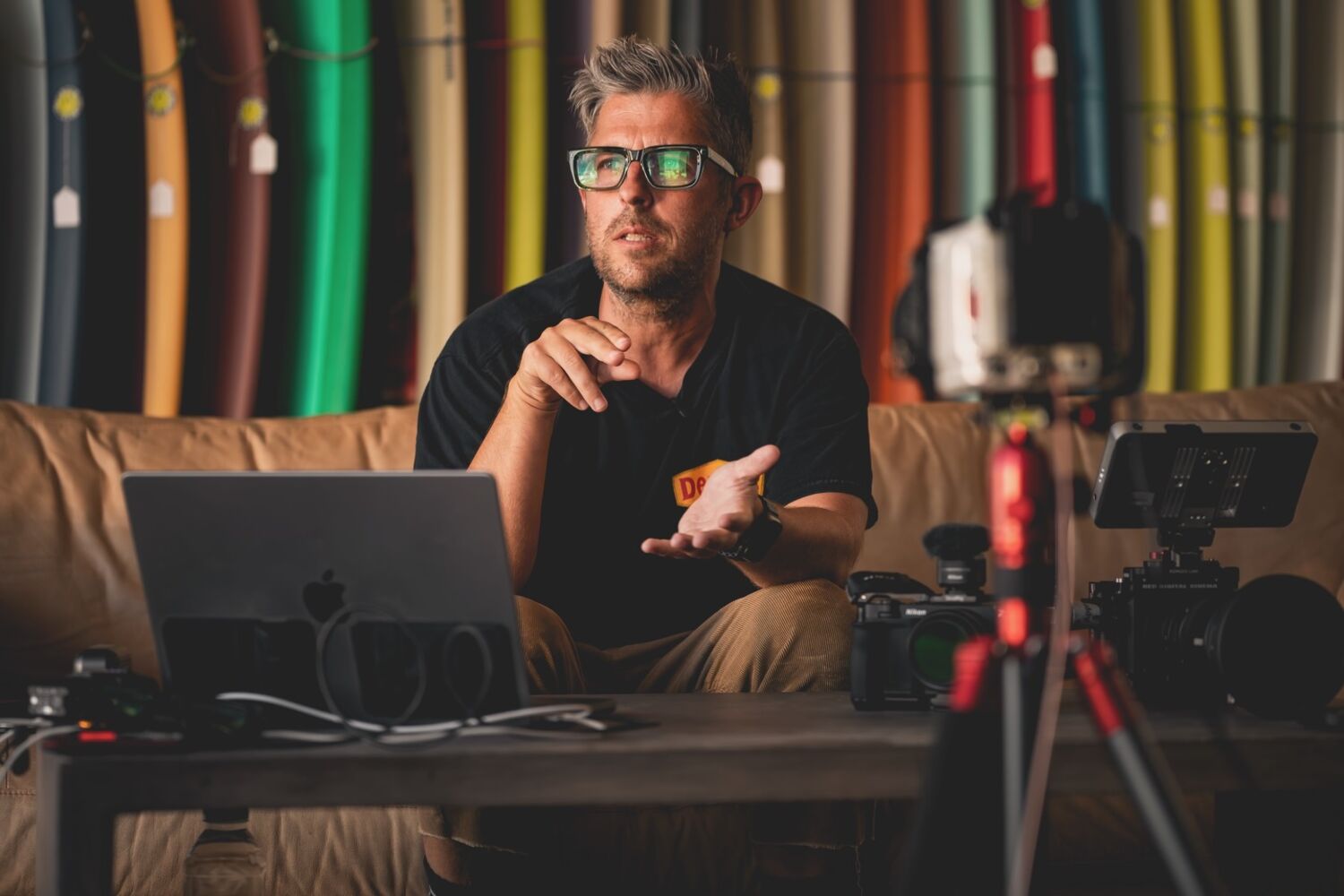
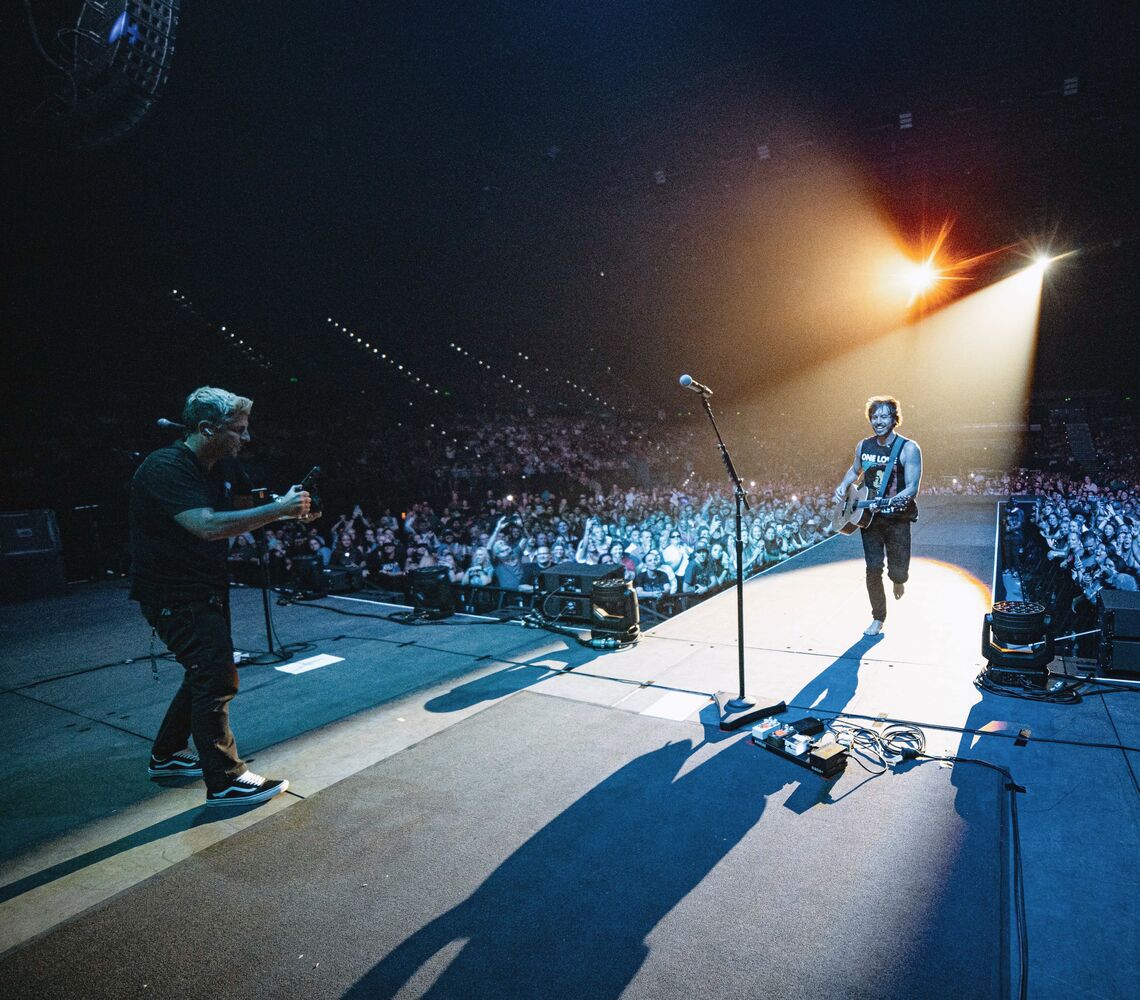
Peter John at workPeter John at workPeter John at workPeter John at workPeter John at work
Who makes it

Peter John has spent his whole career on the story.

Producer, director, filmer, and editor. 25 years refining the craft of story, and a RED Digital Cinema trainer and ambassador. A billion views and millions of comments — a bucket load of data on what works and what doesn't when it comes to creating stories that reach and transform.

Storylab Production is that process, pointed at your business — a small, senior crew rather than a department of account managers.

Cine Artistlabs · Est. 2026 — Epik Films 2000–2026
The showreel
Cine Artistlabs showreel — still frame
Cine Artistlabs · Twenty-five years
25+
Years behind the lens
~1B
Views worldwide
1,000+
Films directed
120+
Music videos produced
Storylab 04 — What we make

Films, not content.

Every one of them has a real before, a real turn and a real after — the shape is the product, whether it runs ninety seconds or nine minutes. We find the story inside your business first, then build everything else around it.

Brand films — the story underneath what you actually do
Founder films — why this exists, told by the person who risked it
Customer story films, shot as documentary, not testimonial
Campaign series built from one shoot, not one post at a time
Live, event and launch films that survive the week they were posted
Recruitment and culture films that make good people want in
How a Storylab film gets made
01

The story

We come in and find it. Interviews, a look at how the business actually works, and the arc that decides everything downstream. You approve the shape before a single camera is booked.

02

The shoot

A small crew and cinema cameras, with the interview built so the person in front of it forgets it's there. Usually one or two days on the ground, not a week of setups.

03

The edit

Cutting for the hook. The first seconds decide whether anyone stays, the middle decides whether they believe it, and the finish decides whether they send it to someone else.

04

The rollout

The hero film, plus the cutdowns that go to work — social, sales, site, recruitment. One shoot, properly directed, becomes a year of material instead of a single post.

Scope
One film, or an ongoing series
Who it's for
Marketing, comms and founders
Crew
Small, cinema-grade — RED and Nikon Z Cinema
Where
Australia-wide and the US
05 — What changes

What it's worth once your business has it.

Buyers arrive already convinced

A story does the persuading before anyone from your team speaks. Shorter cycles, fewer objections, and far less pressure to discount your way to a yes.

One film outlives a year of posts

Content is measured in weeks. A story gets forwarded to someone. Same budget, same crew, completely different shelf life.

You stop sounding like your competitors

Anyone can copy your features, your offer and your pricing page. Nobody can copy the reason you exist or the people it happened to.

Your own people become the campaign

The customer whose problem went away. The founder who nearly didn't. Footage no competitor can license, because it only exists in your building.

Hiring gets easier

People join a story, not a job ad. The film made for your customers quietly does a second job in front of the people you're trying to recruit.

The content treadmill stops

One properly directed shoot feeds months of output. Fewer things, made properly, instead of a calendar nobody can keep up with.

Storylab Start a project
Give your business something worth remembering.

Tell us what you do and what you need people to understand. We'll come back with the story shape we'd build, what it takes to make it, and what it costs.

Before you ask

Questions, answered.

It depends on scope — one film or a series, how many days on the ground, and how far we travel. Tell us what you're trying to get across below and we'll come back with the shape we'd build and a straight number, not a range.

Typically four to six weeks from the first conversation to a finished film, and only a day or two of that is filming. Series run longer, but the shoot days don't multiply the way people expect — most of a series comes out of one properly planned shoot.

Every business that has said that to us had a story in it by the second interview. Finding it is the first thing we do and the part most production companies skip — which is exactly why so much corporate video says nothing.

Usually not. We build the film from real interviews rather than putting words in anyone's mouth, because an audience can hear the difference immediately. Where narration is needed, it's written after the story is found, not before.

You do — the hero film, every cutdown, and the masters. No licensing clock, no fee to keep using your own story.

Yes. Storylab also runs hands-on workshops that hand your team the same process. That's a separate conversation — start at the Storylab page and tell us it's training you're after.

Between the Sunshine Coast, Melbourne and Carlsbad, California. We travel for the right project — tell us where you are and we'll tell you straight whether it's worth flying.

Storylab

Not a business? There's a Storylab for your room too.

Find your Storylab →