Storylab Three days · Rote Island, Indonesia

Where content creators become filmmakers.

Content gets compared on price. Story gets commissioned.

Storylab for Creators is a three-day residential intensive on Rote Island, Indonesia, presented with Nikon Z Cinema. You script, produce, light, record and cut story-driven two-minute films with the people of Rote — and screen them publicly on the final night.

28–30 October 2026 5 places only AUD $1,450 · 50% off launch
Presented with Nikon
Storylab The branch upward

Three days in Rote. A whole tier of work, unlocked.

Storylab is the most comprehensive professional story training in Australia — and anywhere in the world. Film-school depth: story, camera, lighting and edit, taught hands-on. This is the residential version, run in one of the most beautiful places we know.

Taught by a team whose work has reached hundreds of millions of people, and who still shoot it for a living.

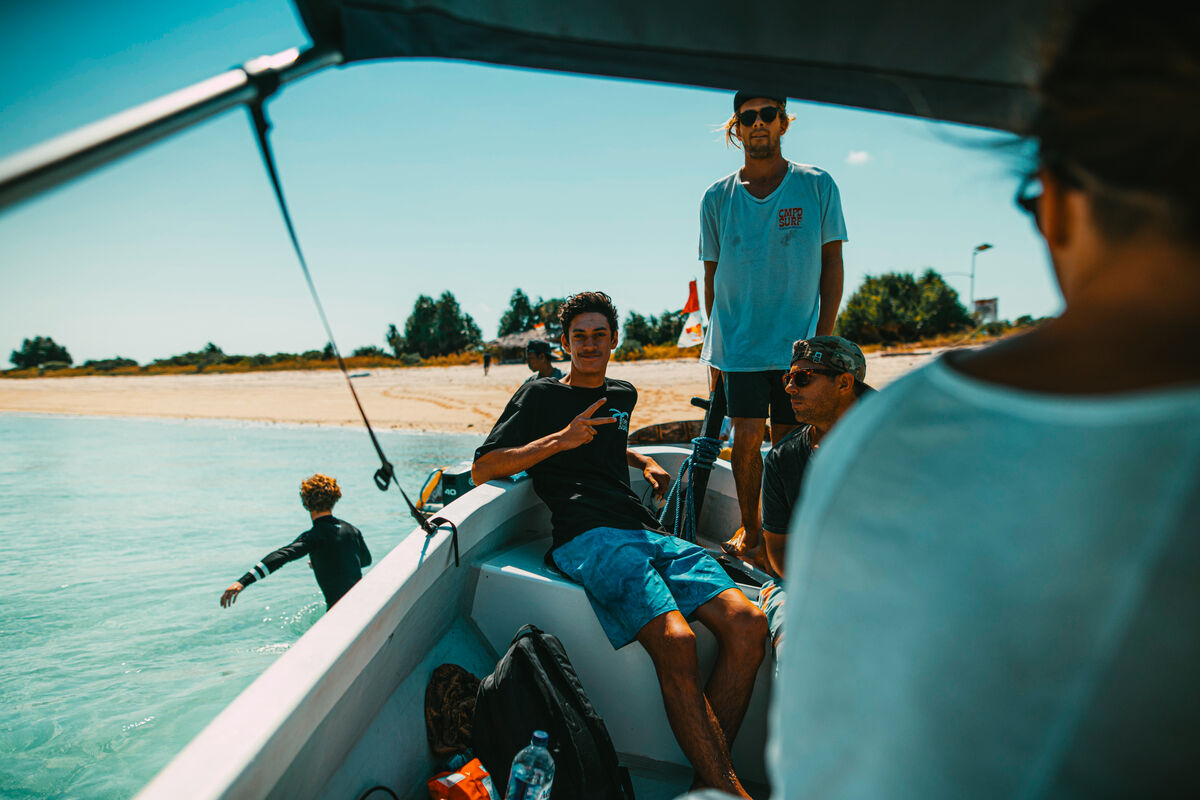
Crew heading out by boat along the Rote coast
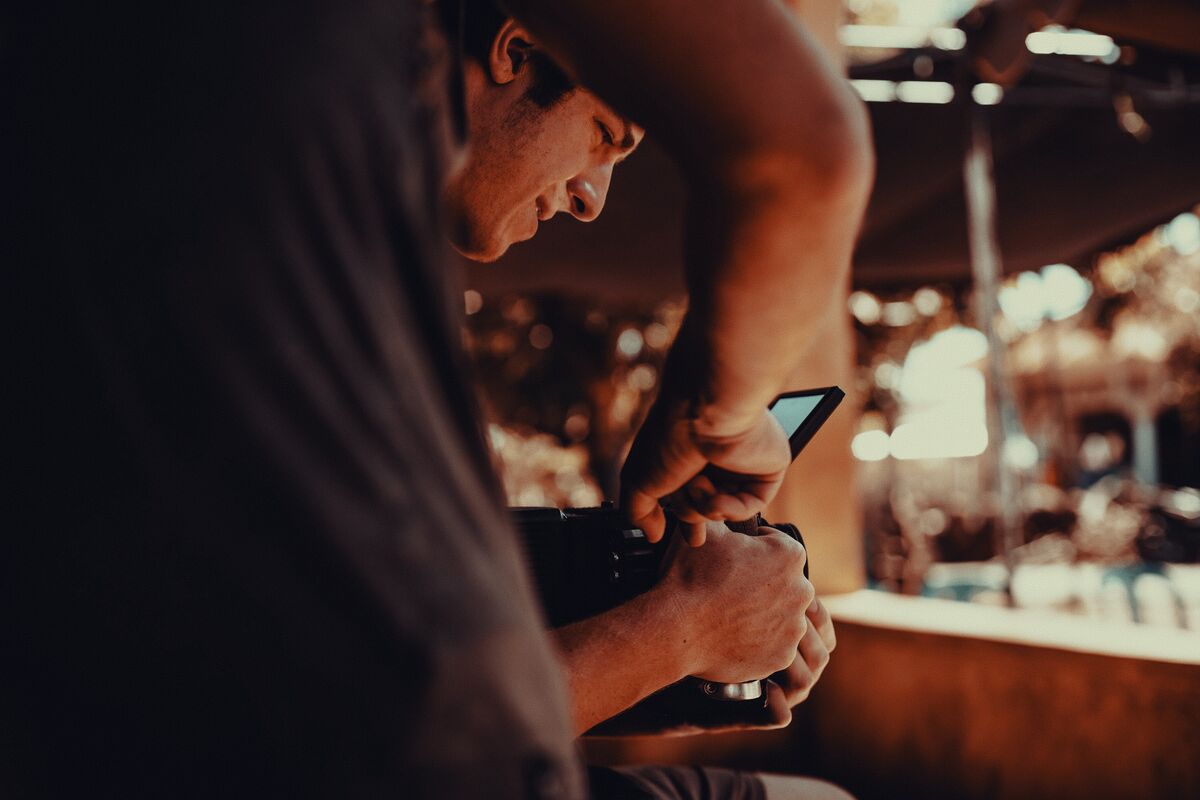
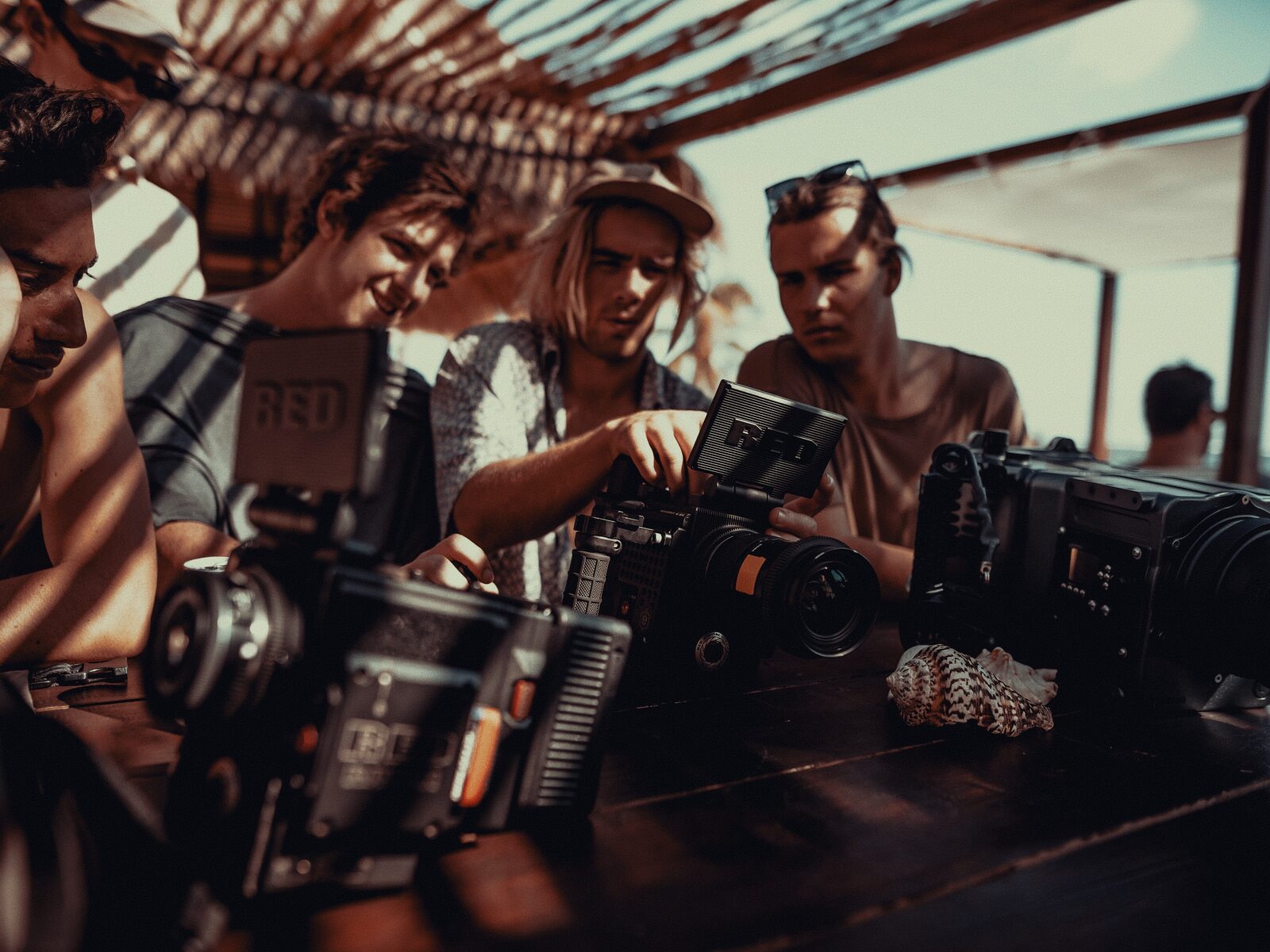
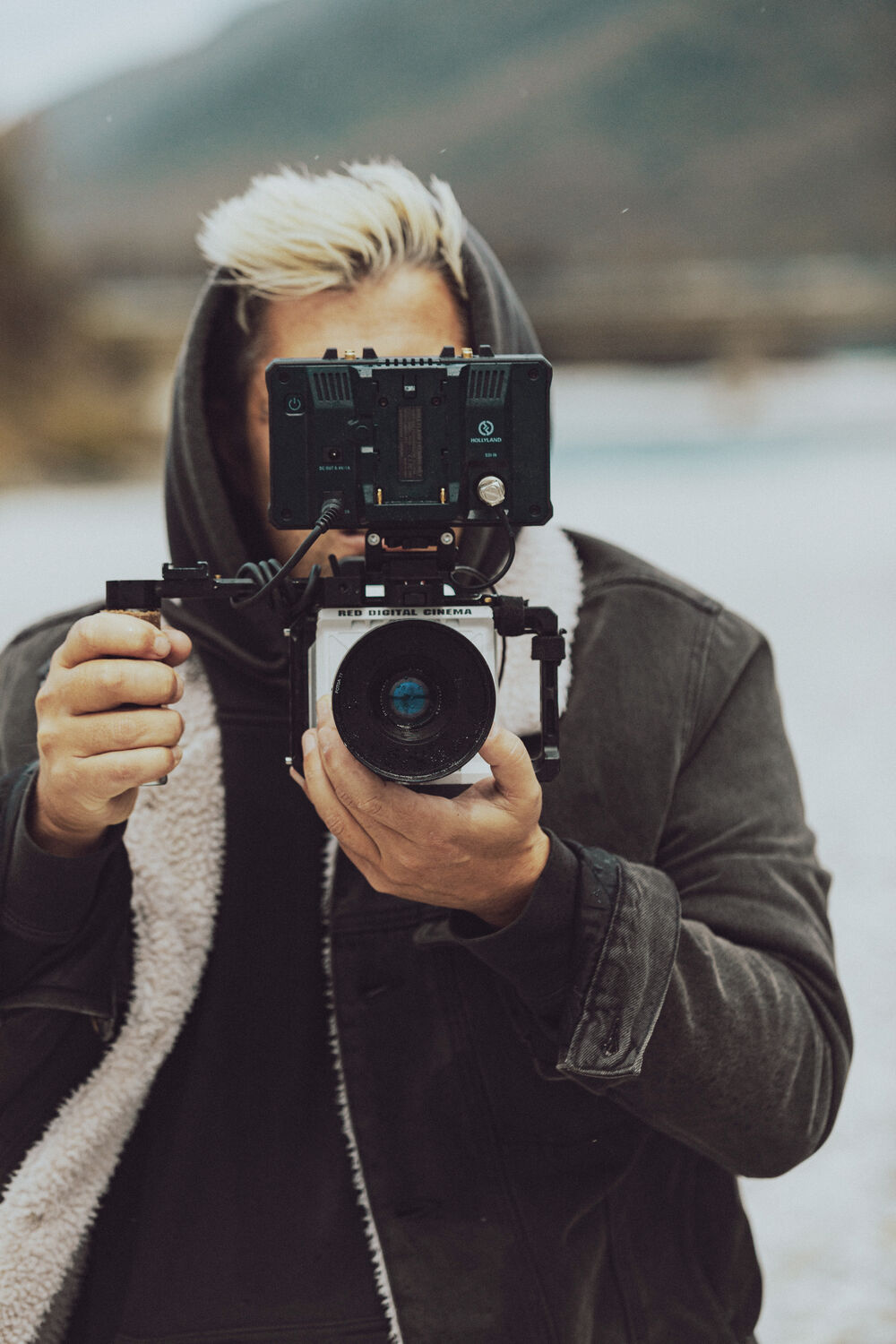
Close on a cinema camera being built
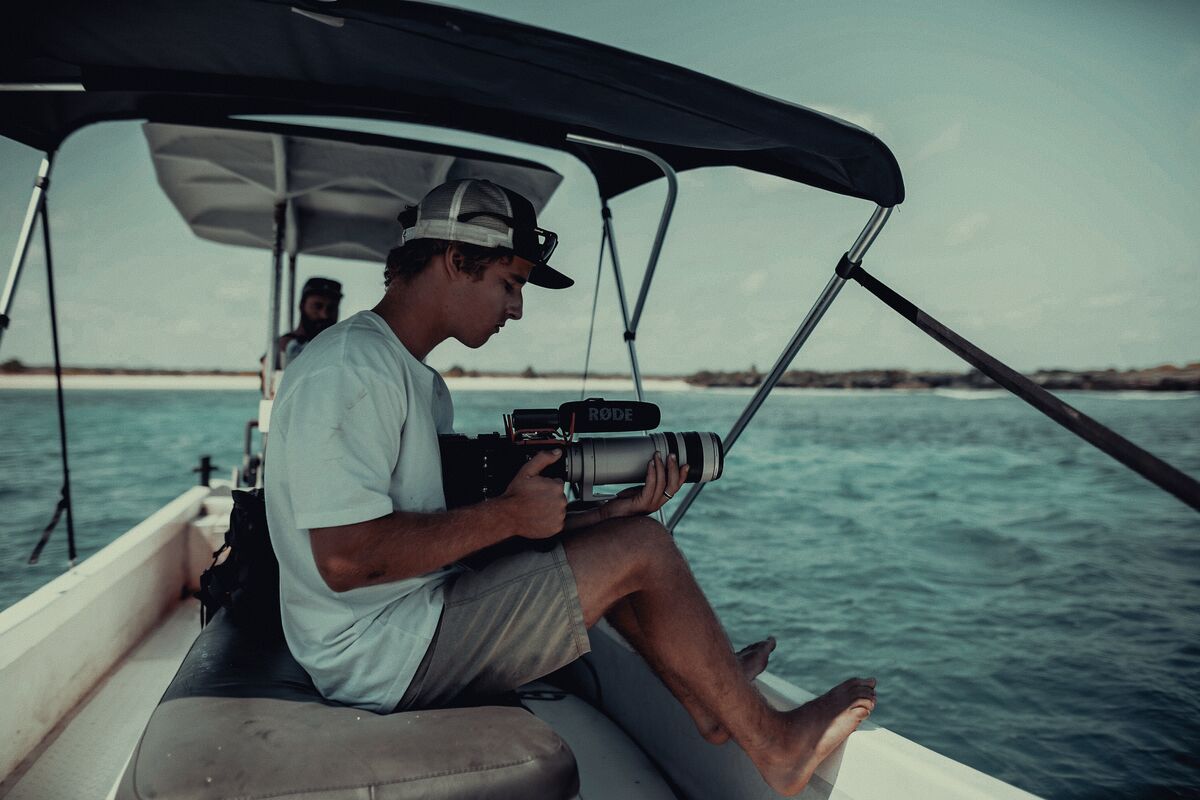
Filming from a boat off Rote
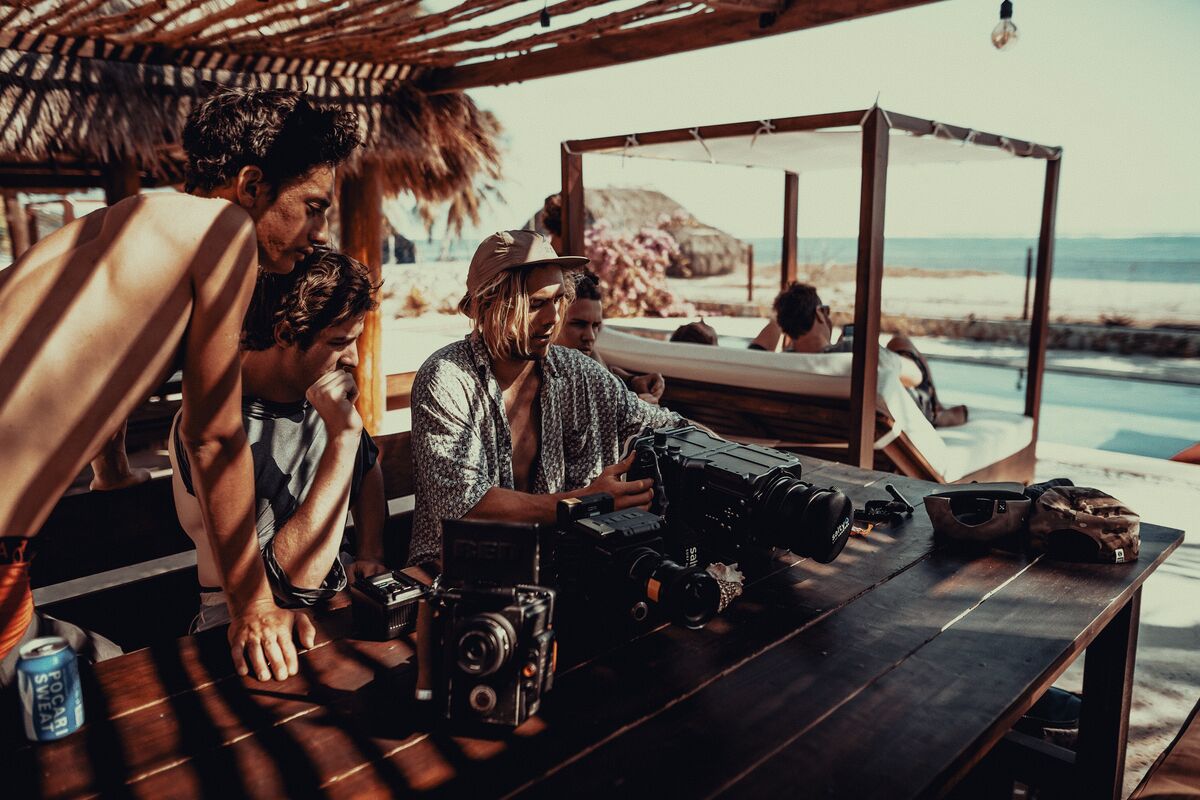
Crew working over cameras above the water
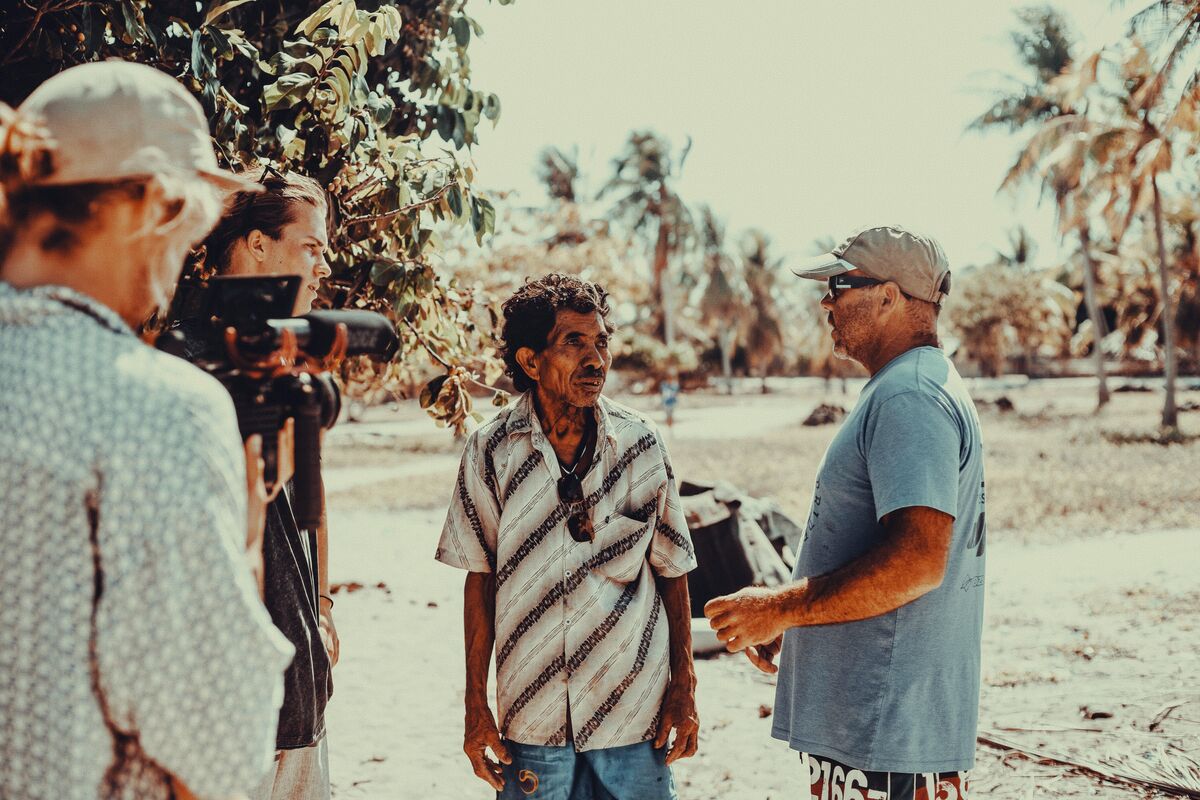
A crew filming a local man on the beach in Rote
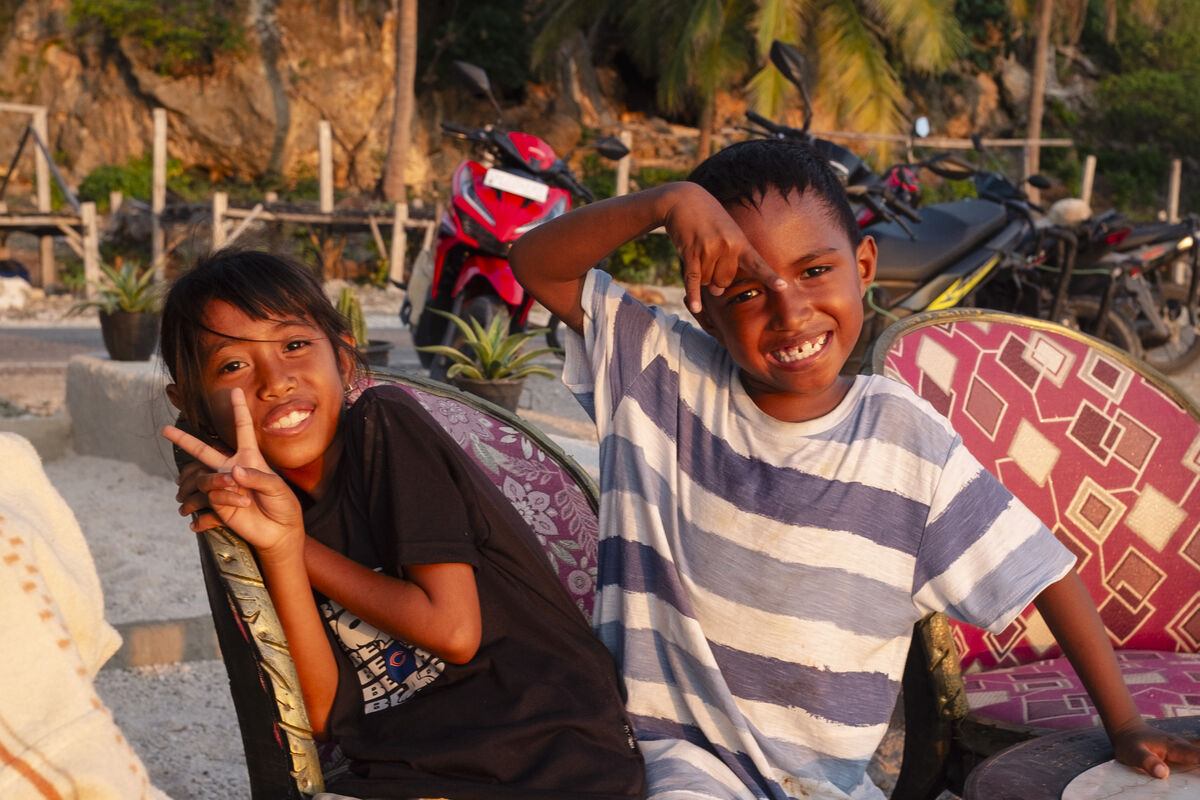
Two young Rote locals
Crew heading out by boat along the Rote coast
Close on a cinema camera being built
Filming from a boat off Rote
Crew working over cameras above the water
A crew filming a local man on the beach in Rote
Two young Rote locals
Inside the workshop · hover to pause
01 — The ceiling nobody warns you about

Content work has a roof on it.

You got good at delivering. Reels, socials, event recaps, the occasional promo — turned around fast, priced against everyone else who can turn them around fast. The better you get at volume, the more of it you have to make, and the whole thing stays capped by your calendar and your energy.

Meanwhile the work you actually wanted is going somewhere else. Documentary. Testimonial. The films that get funded properly, played at the fundraiser, sent to the board. Those don't go to the cheapest shooter — they go to whoever can hold an audience for two minutes, and that is a craft nobody taught you.

Nobody has ever asked for a discount on a film that made them cry.

A table of cinema cameras at a workshop
02 — What the step up is worth

This is a business decision, not an art one.

Story is usually sold as the soft part of the job. It's the opposite — it's the part that decides what you can charge, who commissions you, and whether the work survives the week it was posted.

01
Volume has a ceiling. Craft does not.

Content work scales by how much you can deliver, which means your income is capped by your calendar and your health. Story work scales by how good it is — the same three days of shooting, quoted several times higher, because it isn't interchangeable.

02
Two minutes of story outperforms a month of posts.

Clients are quietly aware that their feed isn't working. The film that gets sent to someone, played at the fundraiser, opened the conference — that's the one they remember commissioning, and the one they come back for.

03
The budgets are already in documentary.

Brands, not-for-profits, ministries and artists all fund story-led film. It goes to whoever can be trusted to hold an audience. That trust is built on a reel, and a reel is built on days like these.

03 — Why Rote

A place where the stories are already extraordinary.

Rote is the southernmost island in Indonesia — reef, salt flats, weaving, fishing families, and a community that has been telling its own stories for a very long time. You don't have to manufacture anything here. You have to learn to see it, and to earn it.

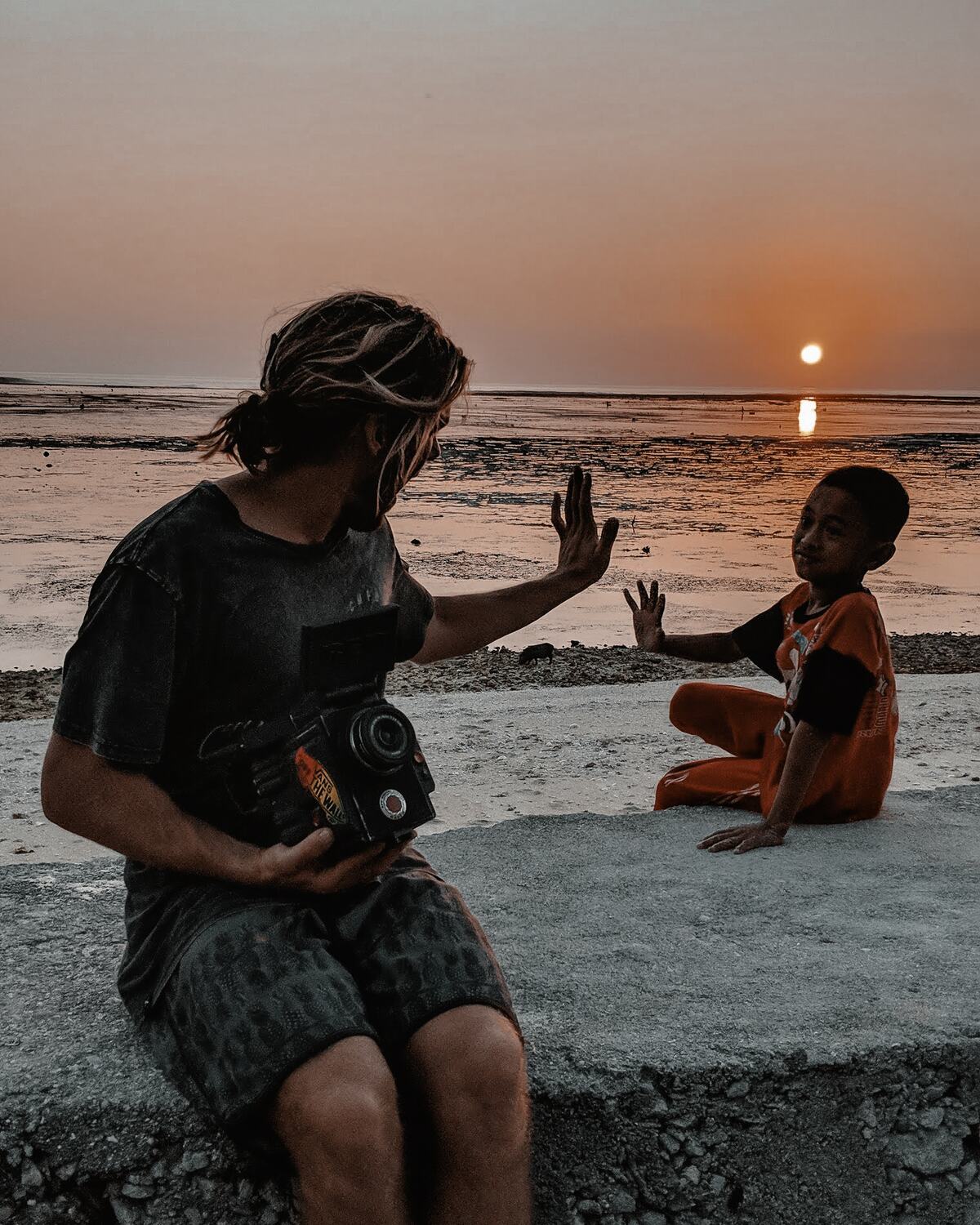
A filmmaker at work with a local child on the sand at sunset, Rote
Who you're making it with

Rote's own storytellers are in the room with you.

Local students join the cohort for all three days — learning the same craft, on the same cameras, alongside you. Their places are covered by the workshop.

This isn't decoration. They know the island, the families and the language; you bring the craft and the years behind the camera. The films are better because both are in the room, and the skills stay on Rote after everybody flies home.

Their stories, told properly, by people they trust.

04 — The last night

Every film screens, publicly.

The workshop doesn't end with an export. On the final night we screen every student's film — yours, and the Rote students' — in front of the cohort, the teaching team, and the community whose stories they are.

It changes how you work from day one. A deadline with an audience attached is the difference between an exercise and a film, and watching a room react to something you made three days ago is the part people tell us they remember years later.

You fly home with finished work, screened, and a reel that proves it.

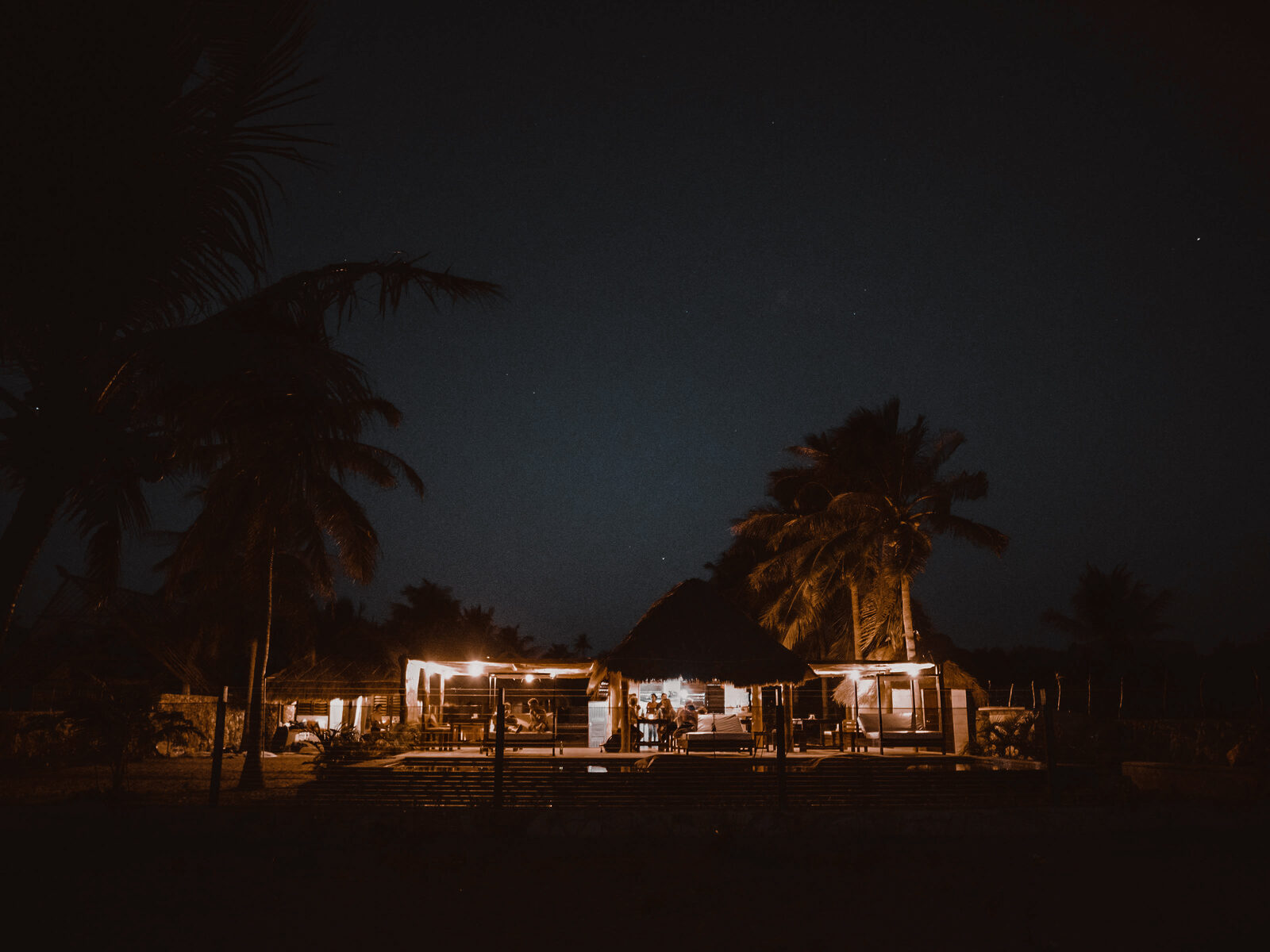
The premiere venue lit up under the palms after dark
05 — What comes out of it

Run for Manhattan.

Six students made this on the 2019 course. Sam Harvey directed it, Mitch Loveday shot it, and four others crewed — people who had turned up to learn, walking out with a finished film between them.

Storylab · 2019
Run for Manhattan

Directed by Sam Harvey. Filmed by Mitch Loveday, with four other students from the course. This is what a cohort makes in a room like the one you would be walking into.

Take a place →
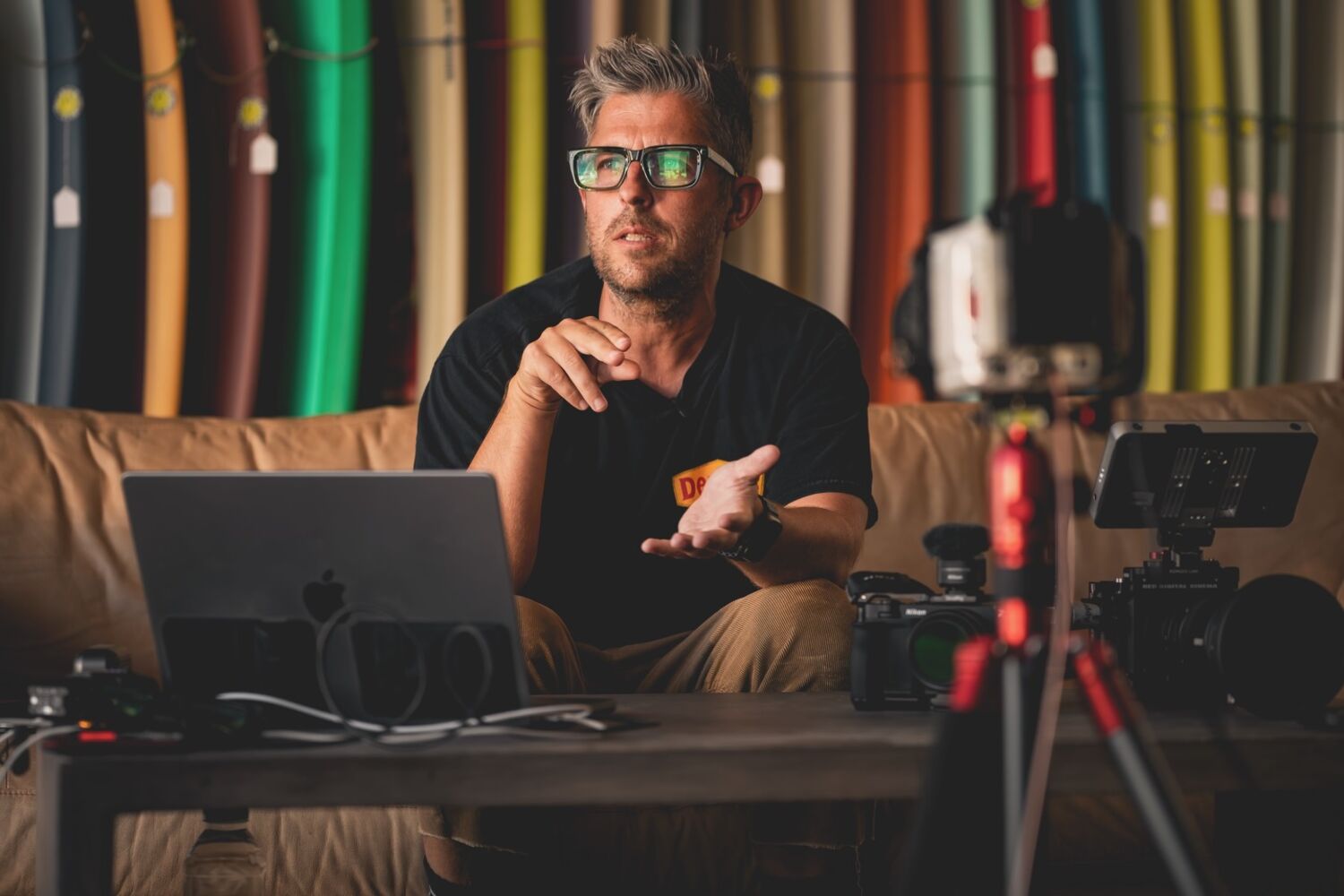
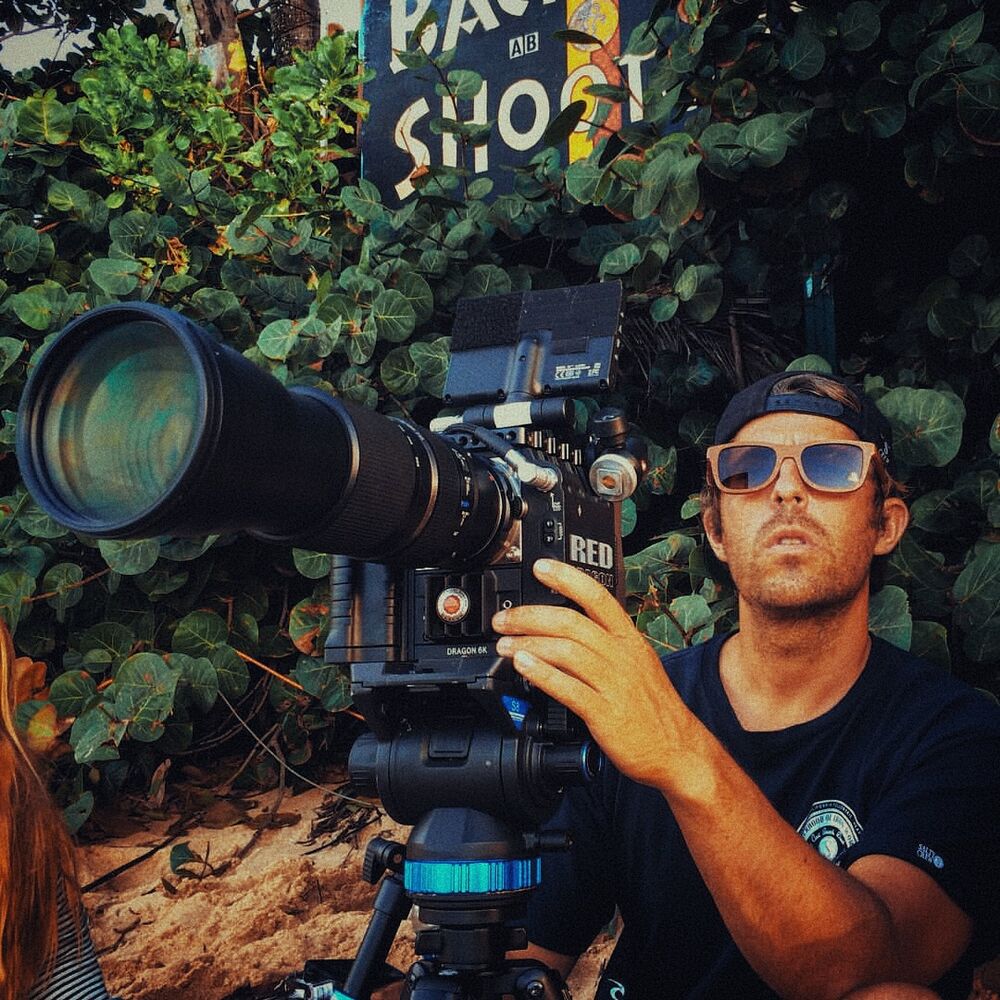
Peter John at workPeter John at workPeter John at workPeter John at workPeter John at work
Who's teaching this

Peter John has spent his whole career on the story.

Producer, director, filmer, and editor. 25 years refining the craft of story, and a RED Digital Cinema trainer and ambassador. A billion views and millions of comments — a bucket load of data on what works and what doesn't when it comes to creating stories that reach and transform.

Storylab is the process behind that work. In Rote he runs it end to end with you — in the field, in the interviews, and on the timeline.

Cine Artistlabs · Est. 2026 — Epik Films 2000–2026
PlanetshakersCentral ChurchChristian Surfers AustraliaThe Transformation NetworkCFS HealthThe Paper KitesMorgan EvansSimple PlanNew EmpireRach Lynch (Hockey Gold Medallist)Compound Surf & Drink CoffeeRandy HouserPlanetshakersCentral ChurchChristian Surfers AustraliaThe Transformation NetworkCFS HealthThe Paper KitesMorgan EvansSimple PlanNew EmpireRach Lynch (Hockey Gold Medallist)Compound Surf & Drink CoffeeRandy Houser
06 — Before you book

Who these three days are built for.

A small cohort, working hard, in the field. It's the right room for some people and the wrong one for others — we'd rather you know which before you book a flight.

This is for you if
  • You already shoot and deliver, and you want the next tier of work
  • You're making content and want to be making films
  • You want documentary and testimonial work you can charge properly for
  • You learn by doing, under pressure, with something real at the end
  • You want a reel that proves it, not a certificate
This isn't for you if
  • You've never operated a camera — start with a Storylab city workshop
  • You want a gear demo or a keynote rather than three days of work
  • You're looking for a holiday with a camera in the bag
  • You can't commit to all three days and the premiere night
Storylab 07 — The workshop

Three days. The whole process, under your hands.

Not a retreat and not a gear demo. Storylab for Creators is a working intensive — you find a story, script it, shoot it, cut it and screen it, on the same shape you can run on every job when you get home.

The story shape behind documentary and testimonial work that sells
Scripting and producing a two-minute film before you shoot a frame
The full field build on Nikon Z Cinema — light, frame, sound
Interview technique that gets a real moment, not a rehearsed one
Editing for the hook, and finishing to a standard you can charge for
A repeatable process you can run on any job, on any kit, at home
How the three days run
01
Day one

Find it, and write it

Before a camera comes out. The arc underneath every film that holds someone, how to choose a subject worth two minutes, the questions that get past the rehearsed answer — and the script and shot plan you walk into the field with.

02
Day two

Produce, film, light, record

In the field on Nikon Z Cinema, with real people and real stories. Lighting a face so it feels like film, framing for meaning, clean location sound, and the directing technique that draws out a true moment instead of a prepared one.

03
Day three

Cut it, then screen it

Assembly, structure and the finish. Cutting for the hook, the first seconds that decide whether anyone stays, sound and grade — then the premiere, where your film plays in front of the community it came from.

Runs
28–30 October 2026 · three full days
Where
Rote Island, Indonesia
Presented with
Nikon Z Cinema
Cohort
5 places, plus Rote local students
The kit

Presented by Nikon Z Cinema.

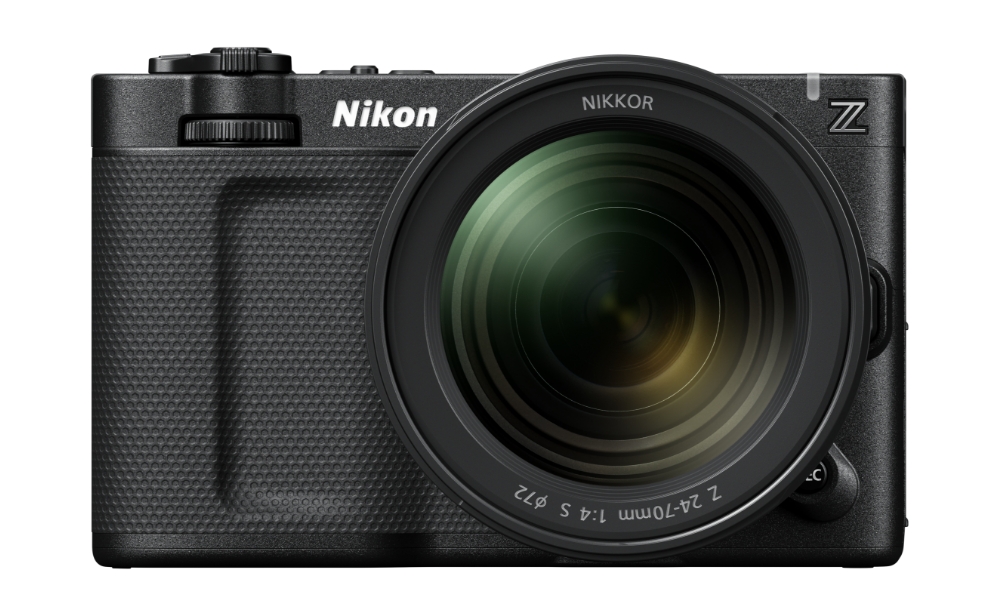
The field build we teach is taught on Nikon Z Cinema bodies — compact cinema cameras carrying RED's colour science, small enough to work all day in the heat and still finish like film. Peter is a RED Digital Cinema trainer and ambassador.

  • Hands on the bodies for all three days, in the field, not on a demo table
  • Cinema colour science, straight out of camera
  • Every principle transfers to the gear you already own
Nikon
Nikon ZR cinema camera with Nikkor Z 24–70mm lens
Z Cinema with RED
What the course fee covers
  • Three full days of instruction, in the field and in the edit
  • Three nights of accommodation on Rote
  • Dinner every night with the cohort and the teaching team
  • Location access, local transport on workshop days, and translation
  • Nikon Z Cinema bodies to work on across the three days
  • The premiere screening on the final night
What you arrange yourself
  • International and domestic flights, and airport transfers
  • Indonesian visa and travel insurance (both required)
  • Breakfasts, lunches and anything personal
  • Your own laptop, headphones and drive for the edit
  • Nights either side of the workshop, if you arrive early or stay on
After Rote

What it's worth once you have it.

You stop quoting by the piece

Content is priced against everyone else who can deliver it. A film that moves someone is quoted on what it does for the client — a completely different conversation, on the same day rate.

Documentary and testimonial open up

The best-funded brand, charity and ministry work is story work. It goes to the people who can prove they can hold an audience for two minutes, not to the cheapest shooter in the feed.

You have the reel to prove it

You leave with finished, screened, story-driven films — not exercises. Work you can put in front of the next client the week you get home.

The pitch stops being about gear

Clients cannot brief a look, but they know a story when they hear one. Walking in with the shape is what separates you from the three other reels on the desk.

You shoot faster and fix less

Knowing the shape before you arrive means fewer setups, less covering yourself, and far less rescued in the edit.

Your own work gets its voice back

The reason you picked up a camera in the first place. Three days of nothing but craft, in a place that makes it easy to remember.

What students say

Filmmakers
who've trained with us.

Storylab Take a place

One cohort. Five places.

Three days in Rote, everything on the ground covered, and a public screening of your film at the end of it.

What you get
  • Three full days of instruction, in the field and in the edit
  • Three nights of accommodation and dinner every night
  • Nikon Z Cinema bodies, location access and translation
  • Your own finished film, screened on the final night
Launch · 50% off · 5 places
$1,450 AUD · per place

Standard price AUD $2,900

28–30 October 2026
Rote Island, Indonesia

Register your interest →

This is the launch cohort. Storylab Rote runs at AUD $2,900 from the next one.

Once you're in
  • The exact flights and ferry to book, and when to book them
  • Visa and insurance requirements, and a full kit list
  • Everything on the ground handled from the moment you land
How you get there →
Questions first?
Ask before you book.

Tell us where you're flying from and what you make now. We'll come straight back.

08 — Getting there

You book the travel. We send the instructions.

Rote is remote, which is most of why it's worth going. Getting there is straightforward once somebody tells you exactly how — so that's what we do, in full, as soon as your place is confirmed.

01

Fly to Kupang

Kupang (KOE), West Timor, is the gateway. Most people route through Bali or Darwin. Plan to land on the 27th — the day before we open.

02

Cross to Rote

A short onward flight or the fast ferry gets you to Rote. We tell you exactly which service to book, and when, so the cohort lands together.

03

We take it from there

Accommodation, dinners, transport on workshop days and the premiere are all handled. The premiere runs on the night of the 30th, so book your flight home from the 31st. You bring a camera, a laptop and a passport.

What lands in your inbox when you book

The exact flights and ferry services to book and when, arrival and departure windows so the cohort travels together, visa and insurance requirements, a full kit list, accommodation detail, and what to expect from the climate, the power and the connectivity. Nothing about the trip is left for you to guess at.

Before you ask

Questions, answered.

A three-day residential intensive on Rote Island, Indonesia, presented with Nikon Z Cinema. You script, produce, film, light, record and edit story-driven two-minute films with the people of Rote — then screen them publicly on the final night. You leave with finished work and a repeatable process.

AUD $1,450 per place — the Storylab launch rate, 50% off the standard AUD $2,900, and there are only 5 places at it. That covers all three days of instruction, three nights of accommodation, dinner every night, location access and transport on workshop days, cameras to work on, and the premiere. Flights, visa, insurance, breakfasts and lunches are yours to arrange.

You book your own travel. Fly into Kupang (KOE) in West Timor — usually via Bali or Darwin — then take the short onward flight or fast ferry across to Rote. Once you're enrolled we send full instructions: which services to book, timings, what to pack and what to expect on arrival.

No. We teach on Nikon Z Cinema because the colour science makes it easy to see what good looks like, and there are bodies to work on across the three days. Every principle transfers to whatever you already own — bring your own kit if you'd rather work on it.

No. It assumes you can already operate a camera and deliver work. This is the step up from general content into cinematic documentary and testimonial — story, direction, lighting and edit at a level clients pay properly for.

Four other people. 5 places is the whole cohort, plus Rote local students learning alongside you. Working together is part of the design: they know the island and the language, you know the craft, and the films are better for both.

They're yours. You keep and use your work — reel, portfolio, clients, wherever it helps. We ask only for permission to screen them at the premiere and to share the workshop's work with our partners and the Rote community.

A camera you know, a laptop that can edit, headphones, a fast drive and a card reader. We send a full kit list on enrolment, including what to expect from the climate and the power situation.

Comfortable, simple and close to where we shoot. Rote is remote and tropical — expect warmth, humidity and beautiful light. Full detail, including room arrangements, comes with your booking instructions.

Places are limited and held on payment. Get in touch as early as you can and we'll do what we reasonably can to transfer your place to a future workshop. Travel insurance is required for exactly this reason.

Storylab

Five places. Three days. A screening at the end of it.

Register your interest →